By Tim Donohue
July 27, 2026
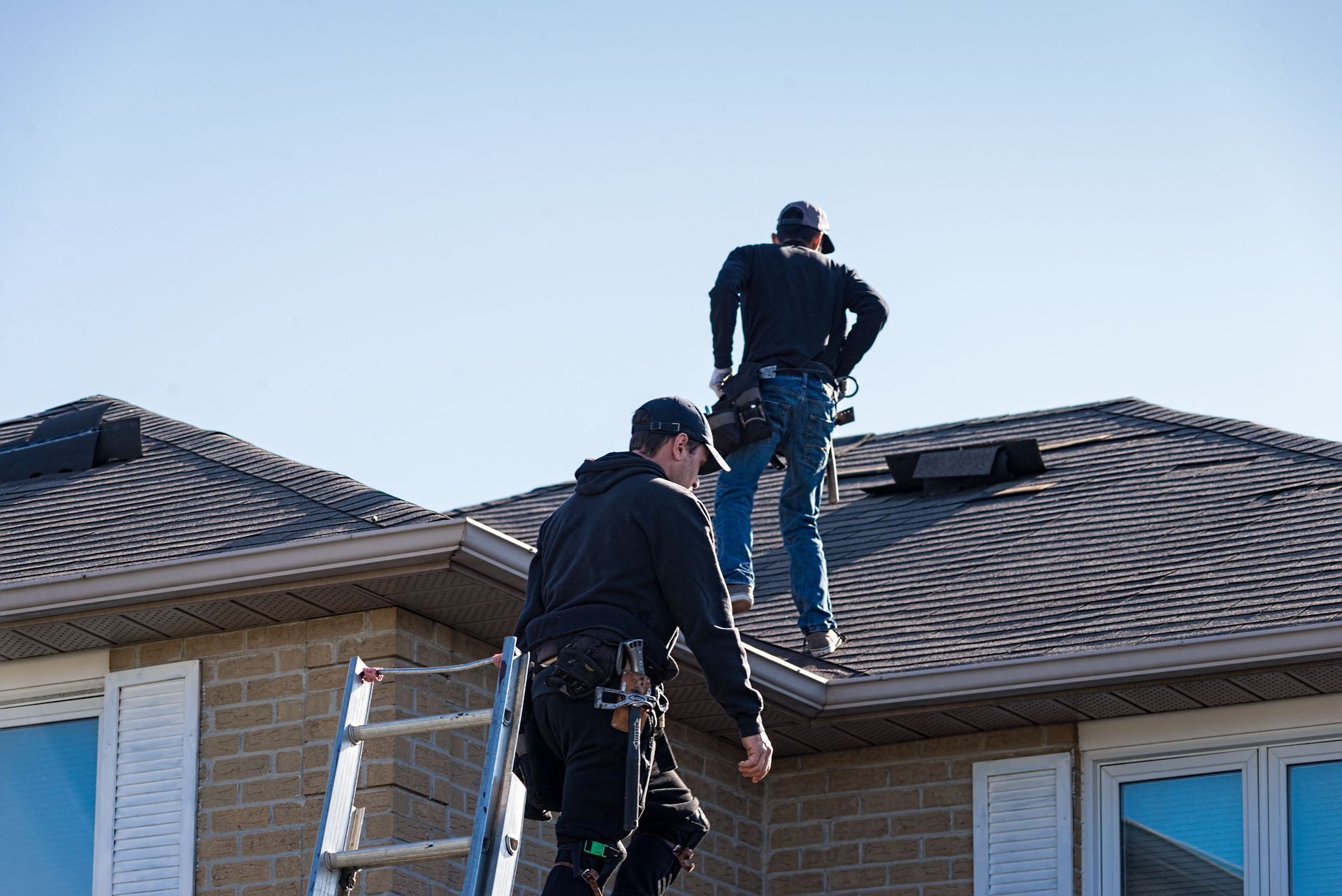
Your roof is one of the most important components of your home, yet it is often overlooked until something goes wrong. While minor issues may seem manageable at first, roofing problems can quickly escalate into serious concerns that affect both safety and property value. Knowing when to contact a roofing contractor can make a significant difference in preventing costly damage and maintaining the integrity of your home. Even small warning signs, when ignored, can lead to structural complications that require far more extensive repairs.
Roofing issues rarely resolve on their own. Small warning signs often indicate deeper problems that require professional evaluation. Addressing these concerns early helps avoid more extensive repairs and ensures that your home remains protected from the elements. Working with an experienced roofing contractor allows property owners to identify risks and take appropriate action before conditions worsen. Early intervention also helps preserve roofing materials and extends the lifespan of the entire system.
According to Verisk, roof-related insurance claims in the United States resulted in approximately $23 billion in replacement costs in 2025, underscoring the widespread financial impact of roof damage nationwide. This highlights how critical it is to recognize issues early and respond quickly to protect your investment.
We’ve seen how prompt action can prevent major damage and improve long-term performance. Here are six urgent reasons to call a roofing contractor before small problems turn into costly repairs.
1. Noticing Active Roof Leaks
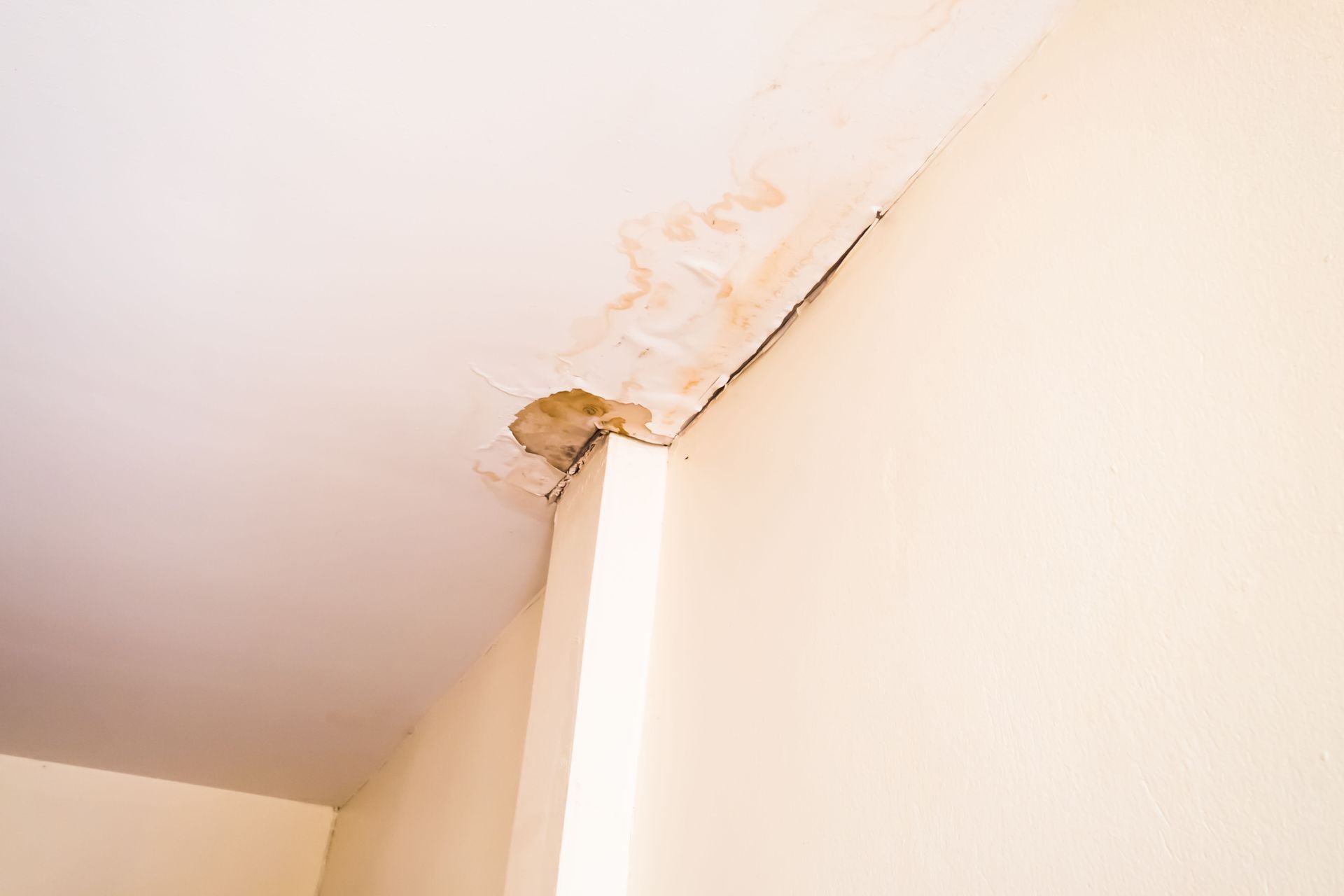
Seeing Water Stains on Ceilings
Water stains are often one of the first visible signs of a roof leak. These marks may appear as discoloration or spreading patches on ceilings and walls. When moisture enters the home, it can travel before becoming visible, making it important to contact a roofing contractor as soon as these signs appear. Addressing stains early can prevent hidden moisture from spreading to insulation and structural components.
Experiencing Dripping During Rain
Active leaks during rainfall indicate that water is penetrating the roofing system. This can lead to interior damage, including weakened drywall and compromised insulation. Immediate attention helps prevent further structural issues. Continuous exposure to moisture can also impact electrical systems and create additional safety concerns.
Detecting Musty Odors
Persistent moisture can create an environment where mold and mildew develop. A musty smell often signals hidden water intrusion that requires professional inspection. These conditions can spread quickly if left unaddressed, affecting indoor air quality.
Preventing Interior Damage
Unchecked leaks can damage flooring, furniture, and electrical systems. Addressing leaks quickly helps minimize the impact and restore the roof’s protective function. Taking action early also helps maintain the overall condition of your home.
2. Observing Missing or Damaged Shingles
Finding Shingles on the Ground
After storms or high winds, shingles may become loose or completely detached. Missing shingles expose underlying materials to the elements, increasing the risk of water intrusion. A roofing contractor can assess the extent of the damage and recommend appropriate solutions. Prompt repairs help prevent further deterioration of surrounding materials.
Noticing Curling or Cracking
Shingles that curl, crack, or blister indicate aging or environmental stress. These signs suggest that the roof may no longer provide adequate protection. Over time, these issues can worsen and lead to additional vulnerabilities.
Seeing Uneven Roof Surfaces
An uneven roofline can indicate structural issues or deterioration beneath the surface. This may require more than simple repairs. Identifying these irregularities early can help prevent more extensive structural concerns.
Preventing Further Exposure
Addressing damaged shingles early helps prevent additional sections of the roof from becoming compromised. Maintaining consistent coverage is essential for protecting the entire roofing system.
3. Experiencing Storm or Weather Damage
Assessing Impact After Severe Weather
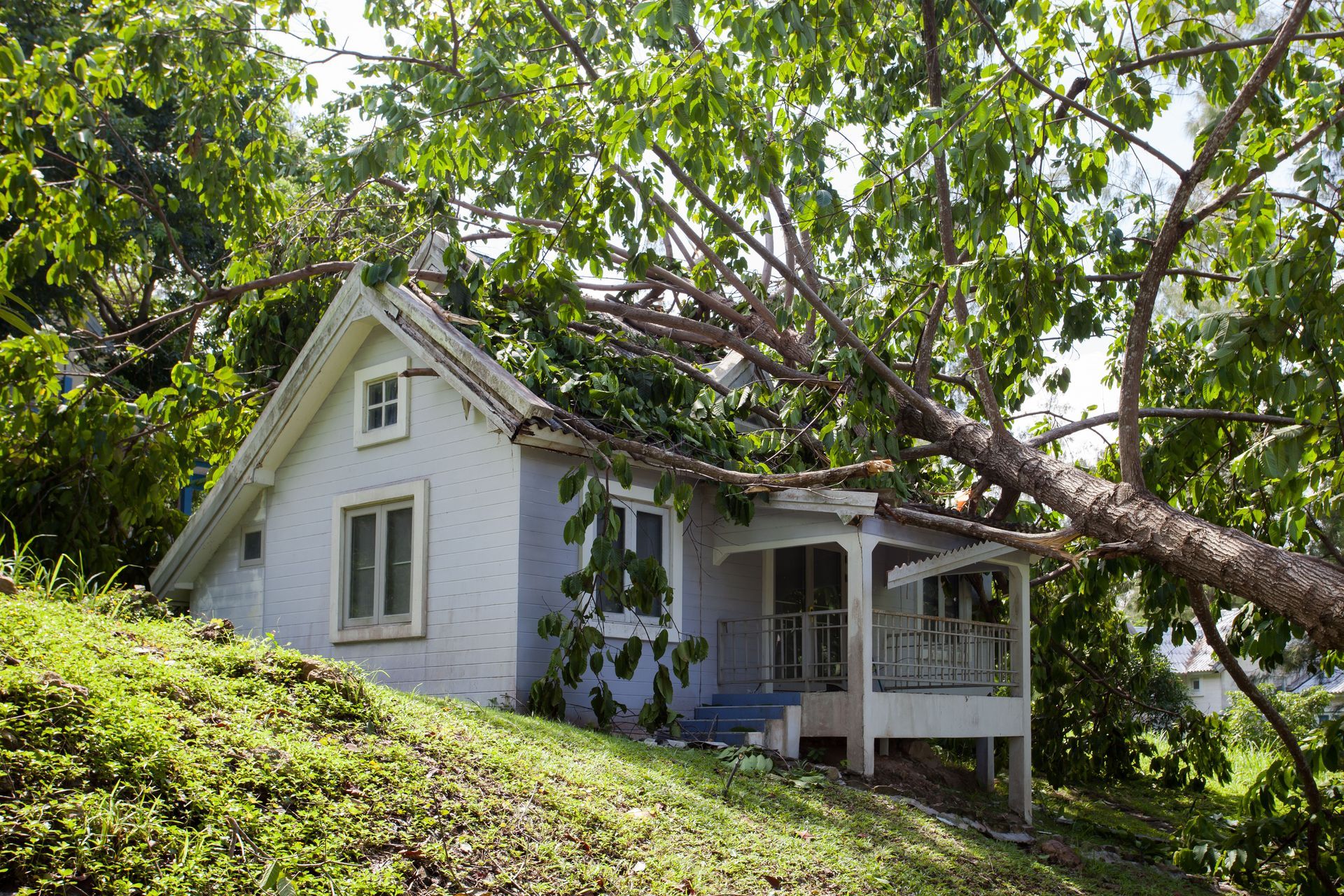
Storms can cause both visible and hidden damage. High winds, hail, and heavy rain can weaken roofing materials and create vulnerabilities. A roofing contractor can perform a thorough inspection to identify issues that may not be immediately apparent. This ensures that all areas of concern are addressed before they worsen.
Identifying Hail Damage
Hail can leave dents or fractures in roofing materials, reducing their effectiveness. Even small impacts can lead to long-term deterioration. Over time, these weakened areas can become entry points for moisture.
Checking for Debris Damage
Falling branches or debris can puncture or scrape the roof surface. These areas often require prompt repair to prevent further damage. Ignoring debris-related damage can lead to more widespread issues.
Preventing Delayed Problems
Storm damage may not always show immediate symptoms. Early evaluation helps prevent issues from developing over time. Proactive inspections help ensure that minor damage does not escalate into major repairs.
4. Noticing Sagging or Structural Changes
Observing Roofline Irregularities
A sagging roofline is a serious concern that may indicate structural weakening. This can result from prolonged moisture exposure or aging materials. Contacting a roofing contractor is essential when these changes are noticed. Addressing these issues early helps maintain structural stability.
Identifying Weak Support Areas
Structural issues can affect the underlying support system of the roof. These problems require immediate attention to maintain safety. Weak areas can worsen over time if not properly reinforced.
Recognizing Interior Warning Signs
Cracks in walls or ceilings may be connected to roof structural issues. These signs should not be ignored. Interior symptoms often reflect larger problems within the roofing system.
Preventing Structural Failure
Addressing sagging early helps avoid more extensive and costly repairs in the future. Maintaining the structural integrity of your roof is essential for long-term safety.
5. Experiencing Increased Energy Costs
Noticing Higher Utility Bills
An inefficient roof can allow heat to escape or enter the home, leading to increased energy costs. A roofing contractor can evaluate insulation and ventilation issues that may be contributing to this problem. Improved efficiency helps reduce long-term expenses.
Identifying Poor Insulation Performance
Damaged roofing materials can compromise insulation, making it harder to maintain consistent indoor temperatures. This can lead to increased strain on heating and cooling systems.
Detecting Ventilation Problems
Proper airflow is essential for maintaining energy efficiency. Issues with ventilation can affect both comfort and costs. Balanced airflow helps regulate temperature and moisture levels.
Improving Overall Efficiency
Addressing roofing concerns can help restore energy efficiency and reduce long-term expenses. Consistent performance contributes to a more comfortable living environment.
6. Reaching the End of Roof Lifespan
Understanding Material Lifespan
All roofing materials have a limited lifespan. As they age, their ability to protect the home diminishes. A roofing contractor can determine whether replacement is necessary. Regular evaluations help track the condition of aging materials.
Recognizing Widespread Wear
When multiple areas of the roof show signs of deterioration, it may indicate that the system is nearing the end of its useful life. Widespread wear often requires a more comprehensive solution.
Evaluating Long-Term Performance
Older roofs may require more frequent repairs, making replacement a more practical option over time. Investing in long-term solutions helps reduce recurring issues.
Planning for Future Stability
Replacing an aging roof helps ensure long-term protection and reduces the likelihood of unexpected issues. A proactive approach supports consistent performance.
Recognizing the warning signs of roof damage is essential for protecting your home and avoiding costly repairs. From leaks and missing shingles to structural concerns and energy inefficiencies, each issue plays a role in determining when professional assistance is needed. Addressing these problems early helps maintain the integrity of your roof and supports long-term performance.
Working with experienced professionals ensures that roofing concerns are handled with care and precision. This approach helps restore safety, improve efficiency, and protect your investment. Consistent maintenance and timely evaluations can also extend the life of your roof and prevent unexpected issues.
If you’re noticing any of these urgent warning signs, contact DriRoofs today to work with a roofing contractor who can provide reliable solutions and help protect your home for years to come.