Your roof protects your home from rain, wind, temperature changes, and other environmental conditions. However, even a well-installed roofing system eventually experiences wear. When problems develop, homeowners often face an important decision: repair the existing roof or invest in a complete replacement. At DriRoofs, we understand that this decision involves balancing immediate expenses with long-term protection. Our experienced roofers help homeowners evaluate roofing conditions, identify potential problems, and determine which solutions best fit their properties. Understanding the factors that influence roof repairs and replacements can help you make a confident, informed decision. Assessing Your Roof's Age and Condition Understanding Your Roof's Expected Lifespan Roofing materials have different expected lifespans. Asphalt shingles generally last approximately 20 to 25 years, while some metal and tile roofing systems can last 50 years or longer under favorable conditions. However, installation quality, ventilation, weather exposure, and maintenance can significantly affect longevity. A roof approaching its expected lifespan may require more frequent attention, even when obvious damage is limited. Our roofers evaluate these factors to help homeowners understand whether continued repairs are practical or replacement offers better long-term value. Identifying Your Roof's Warning Signs Visible deterioration often indicates that a roof needs professional attention. Missing shingles, curling edges, exposed underlayment, and damaged flashing can allow moisture to penetrate vulnerable areas. Interior warning signs may include water stains, peeling paint, or unexplained moisture near ceilings. These problems sometimes indicate damage that extends beyond the roofing surface. Although individual symptoms do not automatically require replacement, they should receive prompt professional evaluation. Scheduling Your Roof's Professional Inspection Regular inspections help identify developing problems before they become expensive emergencies. Professional assessments examine roofing materials, flashing, drainage components, and other areas susceptible to deterioration. Our roofers can identify conditions that may not be visible from the ground and recommend appropriate solutions based on the roof's overall condition. Inspections are particularly valuable following severe storms or when an older roof begins showing multiple warning signs. Evaluating Your Roof Repair Options Determining Whether Damage Is Localized Localized damage may be suitable for professional repairs when the surrounding roofing system remains structurally sound. For example, a limited number of damaged shingles or an isolated flashing problem might be corrected without replacing the entire roof. However, widespread deterioration, recurring leaks, or extensive moisture damage can make replacement more practical. The underlying condition matters just as much as the visible symptoms. Comparing Repair Costs With Replacement Costs Repairs typically require a smaller initial investment than complete replacement. However, repeated service calls can become expensive when an aging roof continues developing problems. Homeowners should consider repair frequency, the roof's remaining lifespan, and the likelihood of additional damage. Our roofers help property owners evaluate these considerations so they can avoid investing repeatedly in a roofing system that may be nearing the end of its useful life. Choosing Professional Repairs Over Temporary Fixes Temporary solutions may address urgent concerns, but they rarely provide the same protection as properly completed repairs. Professional roofing work requires knowledge of material compatibility, moisture barriers, ventilation, and installation standards. Improper repairs can create additional vulnerabilities or interfere with existing warranties. At DriRoofs, we emphasize solutions that address the underlying problem rather than simply concealing visible damage. Understanding Your Roof Replacement Investment Reviewing Your Replacement Cost Factors Roof replacement expenses depend on several property-specific considerations. Roof size, slope, material selection, accessibility, and structural condition all influence project costs. Additional expenses may involve removing existing materials, replacing damaged decking, or updating components to meet applicable building requirements. A professional estimate helps homeowners understand the project's scope and prepare for potential expenses before work begins. Comparing Your Roofing Material Choices Asphalt shingles remain a popular option because they offer versatility and relatively affordable installation costs. Metal roofing may provide greater longevity and durability, although its initial expense is often higher. Other materials, including tile and slate, offer distinctive appearances and performance characteristics. Our roofers can explain how material selection affects maintenance requirements, installation expenses, and expected performance. The appropriate choice depends on your home's structure, local climate, and financial priorities. Considering Your Long-Term Property Value A new roof can improve curb appeal, strengthen weather protection, and reduce concerns about recurring repairs. Modern roofing systems may also offer improved ventilation, updated materials, and manufacturer warranty coverage. Although replacement requires a larger upfront investment, it can provide meaningful long-term benefits when the existing roof has deteriorated significantly. The potential value should be considered alongside your ownership plans and the property's overall condition. Exploring Your Roof's Energy Efficiency Understanding Your Roof's Cooling Performance Roofing materials influence how much solar heat enters a home. Darker surfaces often absorb more heat, while specially designed reflective roofing systems can reduce heat absorption. According to Roofer's Guild, cool roofs can reduce energy consumption by 16.6%. Actual savings depend on climate, building characteristics, insulation, and cooling requirements. This statistic highlights why energy performance deserves consideration when selecting replacement materials. Comparing Your Energy-Efficient Roofing Options Cool roofing products use reflective surfaces or coatings to limit solar heat absorption. Certain metal roofing systems and specially manufactured shingles may provide energy-efficiency benefits. However, not every reflective product performs equally, and energy savings are not guaranteed. Our roofers can help homeowners explore suitable materials while considering durability, appearance, and compatibility with their existing roofing systems. Evaluating Your Roof's Environmental Impact Repairing a serviceable roof may reduce material waste by extending the usefulness of existing components. When replacement becomes necessary, durable roofing materials and efficient installation practices can contribute to longer service life and reduced maintenance demands. Homeowners may also consider recyclable materials and available local incentives for qualifying energy-efficient improvements. The best environmental choice depends on the roof's condition, material requirements, and expected performance. Considering Your Roof's Safety and Protection Recognizing Your Roof's Structural Concerns Roofing deterioration can sometimes affect the structure beneath the visible surface. Persistent moisture may contribute to wood decay, weakened decking, or damaged supporting components. Sagging areas, recurring leaks, and widespread deterioration require professional evaluation. Ignoring these conditions can increase repair expenses and potentially compromise the home's safety. Preparing Your Roof for Severe Weather Heavy rainfall, strong winds, hail, and temperature fluctuations can accelerate roofing deterioration. An older roof with loose materials or weakened flashing may be especially vulnerable during severe weather. Professional roofers can assess weather-related damage and recommend repairs or replacement materials suited to local conditions. Timely attention helps reduce the likelihood of additional damage during future storms. Understanding Your Roof's Insurance Considerations Homeowners insurance may cover certain roofing damage caused by qualifying events, depending on policy terms, exclusions, and deductibles. However, ordinary aging and maintenance-related deterioration are generally treated differently from sudden storm damage. Homeowners should review their coverage and consult their insurance provider when determining whether a claim may apply. Professional documentation can also help clarify the condition and extent of roofing damage. Making Your Final Roofing Decision Reviewing Your Roof's Overall Condition Choosing between repair and replacement requires evaluating more than one visible problem. Age, material condition, repair history, structural concerns, and anticipated future expenses all contribute to the decision. A relatively young roof with isolated damage may benefit from targeted repairs. Conversely, an aging system with widespread deterioration may justify replacement. Planning Your Roof's Project Timeline Repair projects are generally less extensive than complete replacements, although timelines depend on damage severity, weather, and material availability. Replacement requires additional planning for material delivery, removal, installation, and possible structural corrections. Our team helps homeowners understand the anticipated scope of work and prepare for the process. Consulting Your Trusted Roofing Professionals Professional guidance can make a complicated roofing decision easier to navigate. At DriRoofs, we believe homeowners deserve clear explanations, practical recommendations, and dependable service. Our roofers evaluate roofing concerns with attention to both immediate protection and long-term performance. Whether your home needs targeted repairs or a complete roofing upgrade, understanding the available options is essential. Contact DriRoofs today to schedule a professional roofing assessment. We can help you determine the appropriate next steps to protect your home, manage roofing expenses, and maintain dependable protection for years to come.
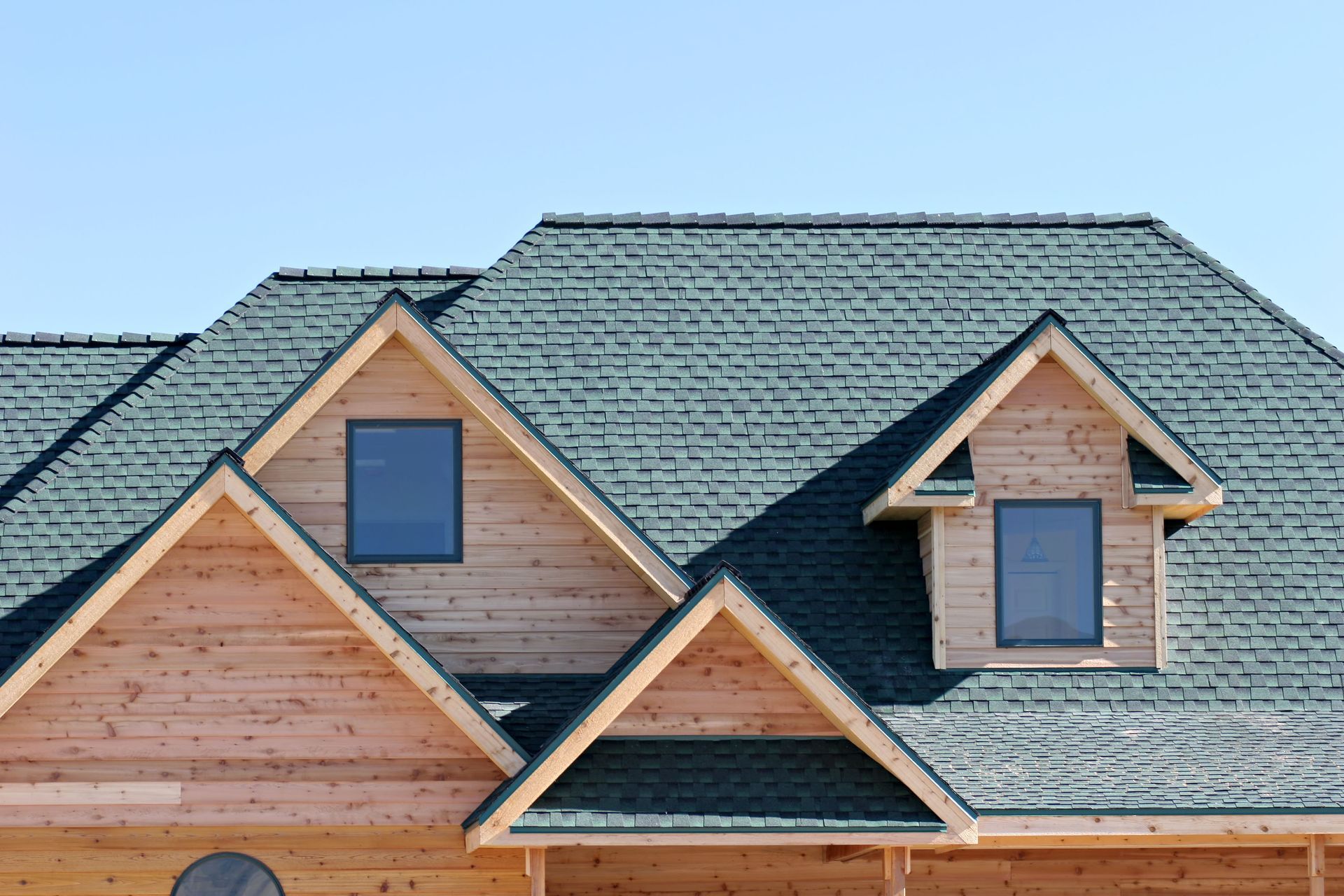
Explore roofing services, from repairs and inspections to energy-efficient materials and full replacements, to protect your home and maintain its value.
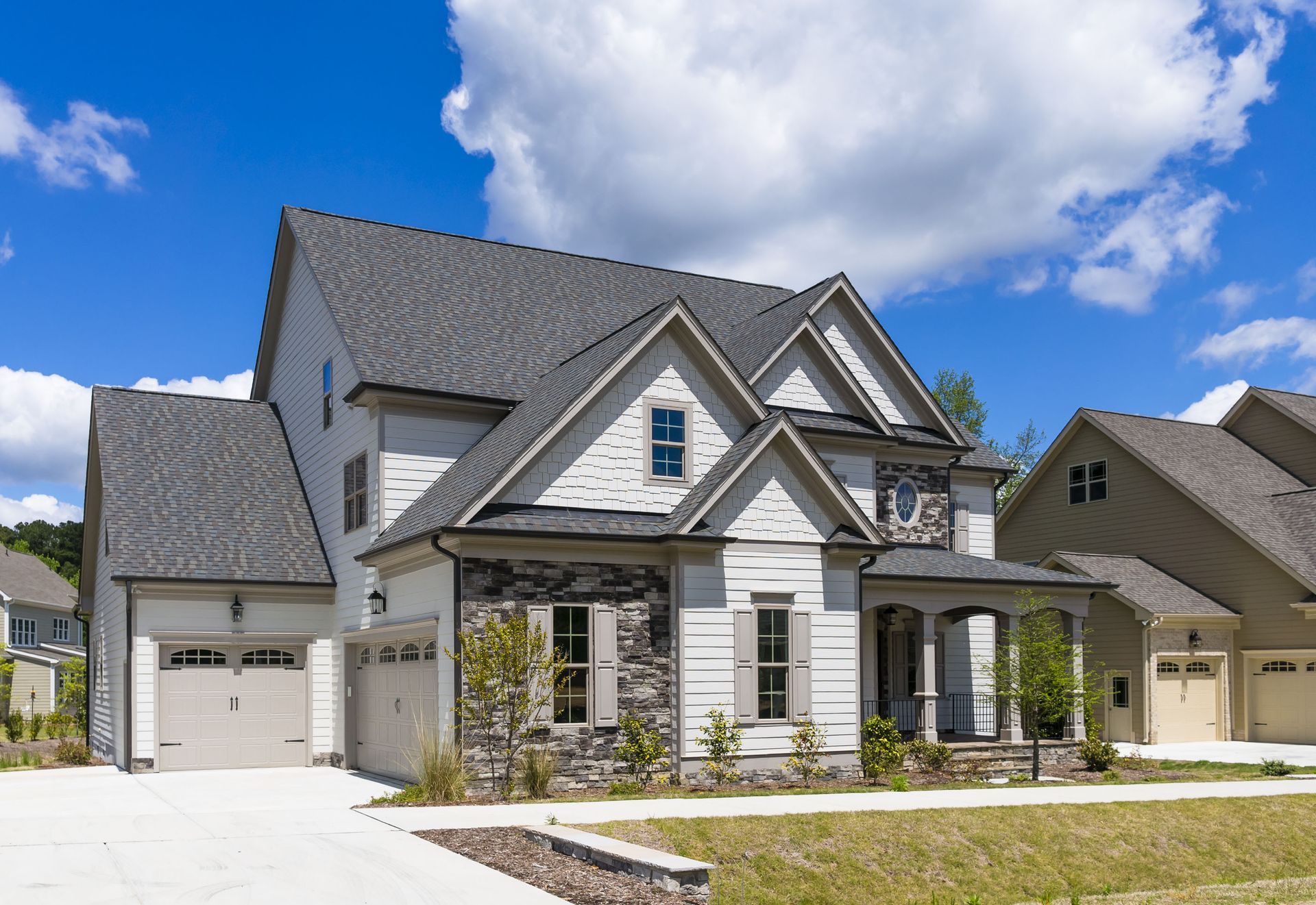
Protect your home after severe weather with DriRoofs. Our roofing contractors inspect storm damage and provide expert repairs. Contact us today!