By Tim Donohue
July 27, 2026
Roof damage rarely happens overnight. It typically develops through small issues that go unnoticed until they become expensive repairs. Local roofers focus on preventing that progression by identifying risks early and applying long-term protection strategies. Their work is centered on practical maintenance, material expertise, and climate-aware solutions that help extend roof life. This approach gives homeowners a clearer path to avoiding unexpected damage and unnecessary costs.
Understanding how preventative roofing works can make a major difference in how a property holds up over time. Roofers don’t just fix visible problems; they look for underlying causes that may not yet be obvious. From drainage concerns to material fatigue, their goal is to address issues before they escalate. The result is a more durable roofing system that performs consistently through seasonal changes and weather exposure.
1. Inspecting the Roof With Precision
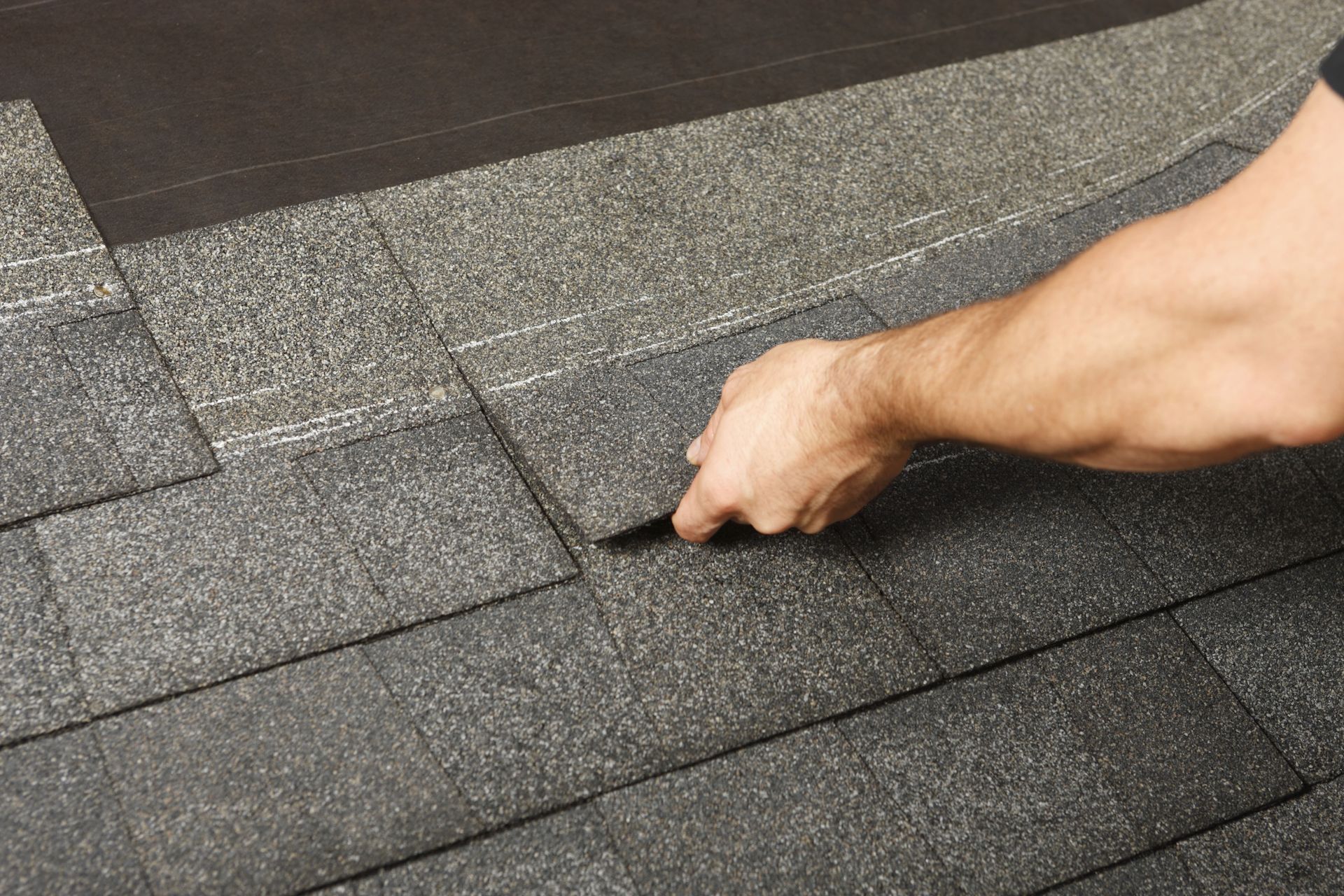
Careful inspection is one of the most effective ways roofers prevent long-term damage. The process typically starts with a detailed evaluation of shingles, flashing, seals, and structural joints. Small weaknesses like hairline cracks or loose materials are often early indicators of larger issues developing underneath the surface. By catching these signs early, roofers reduce the risk of leaks and structural deterioration.
Technology has improved how inspections are conducted. Tools such as infrared scanning and drone imaging allow roofers to identify moisture buildup and hidden damage without invasive procedures. This creates a more accurate understanding of the roof’s condition while improving safety during assessments. These tools also help document changes over time, making maintenance planning more effective.
Local roofers also adjust inspection strategies based on seasonal conditions. Roofs exposed to heavy rain, wind, or temperature swings require more frequent monitoring. This consistent evaluation process helps prevent small issues from turning into costly repairs. It also provides homeowners with a clearer picture of their roof’s long-term condition.
According to findings from the National Roofing Contractors Association, about 35% of roofing professionals reported increased contract demand during the second quarter of 2025, reflecting continued growth in reroofing and replacement activity. This trend highlights how important regular inspections have become in managing aging roofing systems and preventing widespread damage.
2. Selecting the Right Materials
Material selection plays a major role in preventing roof damage over time. Local roofers carefully evaluate which materials perform best under specific environmental conditions. Asphalt shingles, metal systems, and composite materials all offer different levels of durability depending on climate exposure. Choosing the wrong material can shorten a roof’s lifespan significantly.
Roofers also consider long-term performance rather than just upfront cost. While budget materials may seem appealing, they often require more frequent maintenance and replacement. Higher-quality materials tend to withstand weather stress more effectively, reducing repair frequency over time. This approach prioritizes durability and long-term savings.
Environmental conditions heavily influence material recommendations. Areas with heavy rainfall require strong water resistance, while hotter climates benefit from reflective materials that reduce heat absorption. Roofers use this knowledge to match materials with real-world conditions, ensuring better performance year-round.
Sustainability is also becoming more common in roofing decisions. Many roofers now recommend eco-friendly materials that improve energy efficiency while maintaining structural strength. These options not only reduce environmental impact but also enhance long-term roof performance.
3. Improving Drainage Systems
Effective drainage is essential for preventing water damage. Local roofers design gutter and runoff systems that guide water safely away from the structure. Without proper drainage, water can pool on the roof surface, leading to leaks, rot, and long-term structural issues.
Downspout placement is another important factor in drainage design. Roofers ensure that water is directed far enough away from the foundation to prevent erosion or basement leaks. Even small adjustments in placement can significantly reduce water-related risks over time.
Routine maintenance is also part of an effective drainage strategy. Cleaning gutters and removing debris prevents blockages that could cause overflow during heavy rain. Roofers often recommend seasonal maintenance schedules to keep systems functioning properly throughout the year.
When drainage systems are well-maintained, roofs experience less strain from standing water and moisture buildup. This improves overall durability and reduces the likelihood of costly structural repairs.
4. Applying Advanced Roofing Techniques
Modern roofing techniques have significantly improved how damage prevention is approached. Roofers now use layered roofing systems that provide multiple levels of protection against weather and temperature changes. These systems are designed to improve both durability and energy efficiency.
Ventilation plays a major role in modern roofing performance. Proper airflow helps regulate temperature and moisture levels in the attic space. Without adequate ventilation, heat and condensation can weaken roofing materials over time. Local roofers carefully balance ventilation systems to maintain long-term structural stability.
Reflective coatings and energy-efficient materials are also commonly used. These solutions reduce heat absorption and help maintain cooler indoor temperatures. This not only improves comfort but also reduces stress on roofing materials during extreme heat conditions.
By combining advanced installation methods with modern materials, roofers create roofing systems that last longer and perform more efficiently under changing environmental conditions.
5. Responding To Emergency Damage
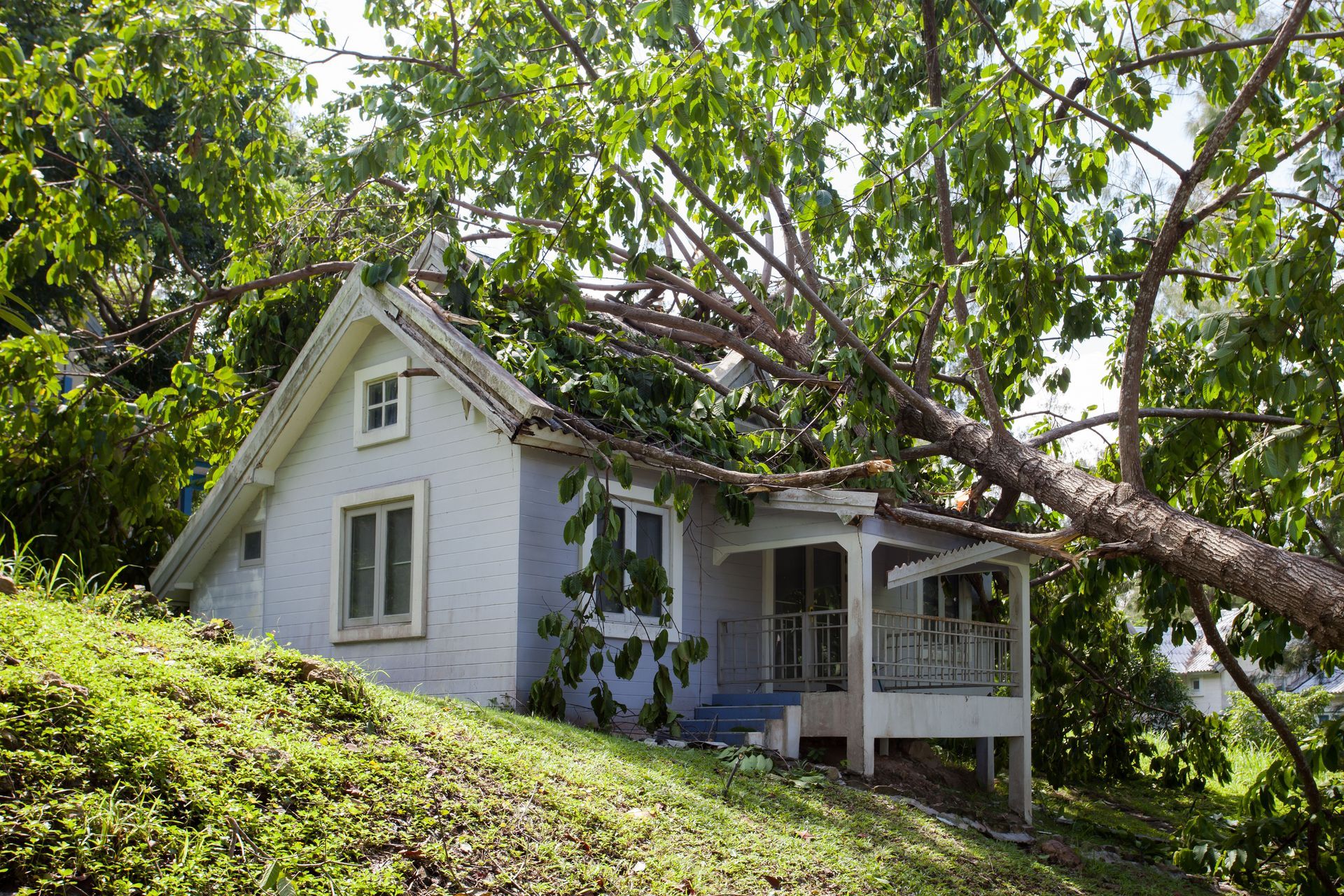
Emergency roofing situations require fast and effective responses. Roofers are trained to address sudden damage caused by storms, falling debris, or unexpected leaks. Immediate action helps prevent further deterioration and reduces overall repair costs.
Temporary repairs are often the first step in emergency situations. These quick fixes stabilize the structure until permanent solutions can be implemented. This approach helps protect the interior of the home from additional damage while long-term repairs are planned.
Accurate documentation is also critical during emergencies. Roofers assess and record damage carefully to support insurance claims and repair estimates. This ensures homeowners have the information needed to move forward efficiently.
Preparedness is another important factor in emergency response. Roofers maintain access to essential materials and tools so repairs can begin quickly when needed. This readiness reduces downtime and helps restore roof integrity faster.
6. Educating Homeowners On Maintenance
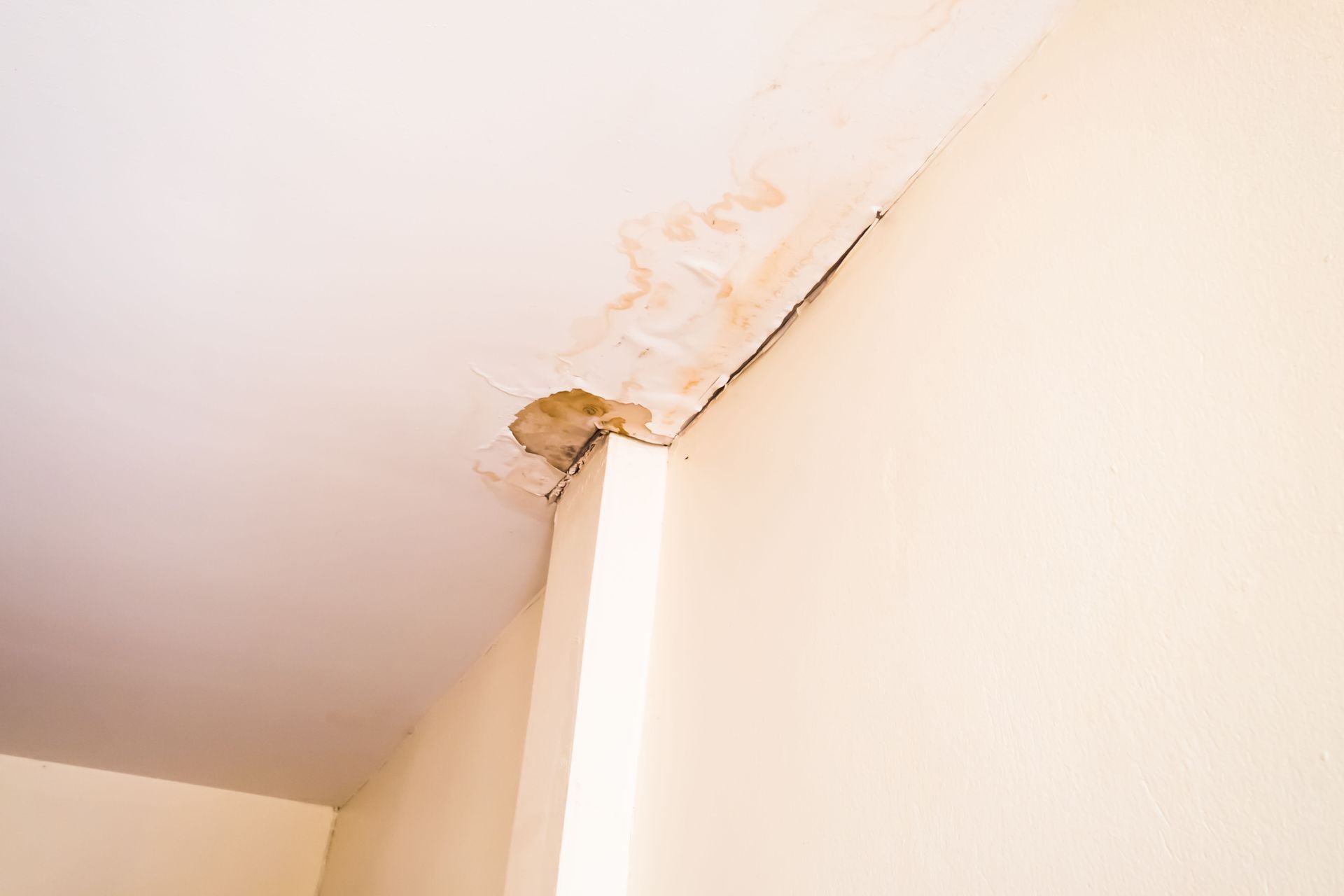
Homeowner education is an important part of long-term roof protection. Roofers often teach basic maintenance practices that help property owners identify early warning signs. This includes checking for missing shingles, spotting water stains, and monitoring gutter performance.
Simple maintenance habits can significantly extend roof lifespan. Roofers emphasize consistency, encouraging homeowners to perform seasonal checks rather than waiting for visible damage. This proactive approach helps reduce repair frequency over time.
Educational resources such as guides and consultations help homeowners better understand roof care. Local roofers provide practical advice that makes maintenance more accessible and less intimidating. This empowers homeowners to take a more active role in protecting their property.
Over time, informed homeowners contribute to better overall roof performance. When small issues are addressed early, the likelihood of major damage decreases significantly.
7. Strengthening Long Term Roof Performance
Long-term roof performance depends on consistent care and proactive maintenance. Roofers focus on identifying vulnerabilities early and reinforcing areas that are most at risk. This includes reinforcing flashing, improving ventilation, and upgrading aging materials when needed.
Weather exposure is one of the most significant factors affecting roof lifespan. Local roofers account for regional conditions when developing maintenance strategies. This ensures roofs are prepared for seasonal changes and extreme weather events.
By combining inspections, material expertise, and preventative care, roofers help homeowners avoid unexpected structural issues. Their approach is designed to reduce long-term costs while improving overall roof reliability.
Preventing roof damage requires consistent attention, practical maintenance, and expert guidance. Local roofers play a key role in protecting homes by identifying risks early and applying long-term solutions tailored to environmental conditions. Their work includes inspections, material selection, drainage improvements, advanced installation methods, emergency response, and homeowner education. Together, these strategies create a strong foundation for lasting roof performance. For dependable protection and ongoing roofing support, contact DriRoofs.