By Tim Donohue
October 9, 2026
Understanding the signs of a leaking roof is crucial for homeowners to prevent structural damage and costly repairs. By learning these warning signs, you can take proactive measures to safeguard your home against water damage. In this article, we will explore the key indicators that suggest your roof may be compromised. This knowledge will empower you to make timely decisions and maintain the integrity of your home. Addressing roof leaks early with roofing services can save considerable repair costs and provide peace of mind.
It's important to acknowledge that roofs are the first line of defense against nature's elements. They endure extreme weather conditions such as rain, wind, and snow, making them vulnerable to damage over time. Regular inspections can help identify potential problems before they escalate. A well-maintained roof not only protects the structure of your home but also contributes to energy efficiency. Recognizing the signs of a leak is the first step to ensuring your home's longevity.
This blog will provide a comprehensive guide to common warning signs of roof leaks. By understanding these indicators, you will be better prepared to take action if issues arise. Each section will delve into specific signs, their implications, and how to address them effectively. This approach will provide a thorough understanding of what to look for and the appropriate steps to maintain your roof. Let's dive into the first significant sign of roof leakage.
Identifying Water Stains
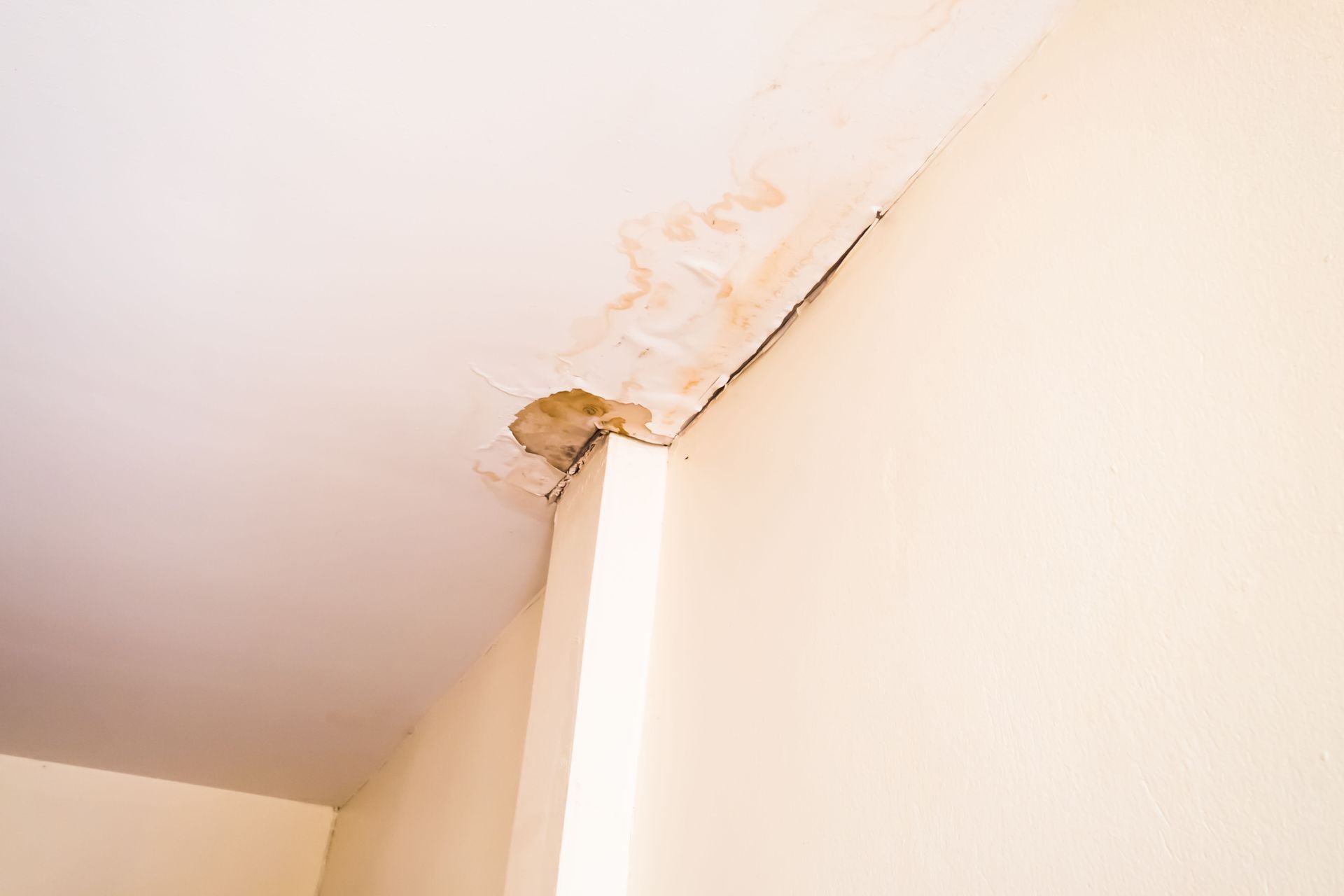
Water stains on your ceiling are one of the most conspicuous signs of a roof leak. These stains typically appear as discolored patches with a brownish hue, often resembling a map of a distant land. It's important to regularly inspect ceilings for such signs, especially after heavy rainfall. The appearance of these stains can vary in shape and size depending on the severity of the leak. Vigilance in identifying water stains early can mitigate further damage to your home.
The location of water stains can provide clues about the source of the leak. Stains often form in the corners or along the edges of the ceiling where water collects before seeping through. Ceiling stains can also surface in the middle of rooms, a possible indicator that the leak is directly above a specific area. Remember, water can travel along rafters and beams, so the stain may not be directly below the leak. Thorough investigation is crucial to pinpointing the exact leak source.
Once water stains are identified, prompt action is necessary to prevent further intrusion. Ignoring these signs can lead to mold growth and weaken structural components over time. Initially, a temporary fix may involve placing a bucket under the ceiling stain to catch dripping water. However, professional repair with roofing services should follow to fix the underlying cause. Continuous ceiling inspection is vital in maintaining a dry and safe home environment.
Knowing the Causes of Water Stains
The causes of water stains can be varied, with a faulty roof often as the primary suspect. Roof leaks can result from damaged or missing shingles that enable water to seep into the attic and through the ceiling. Additionally, clogged gutters can lead to water pooling near the roof, increasing the potential for leaks. Age is another significant factor, as worn-out roofing materials become less effective at repelling water. Identifying the root cause of water stains is essential for effective remediation.
Poor attic insulation can exacerbate the issue, creating a conducive environment for condensation, which can eventually result in ceiling stains. This occurs when warm air from the home meets the cold surface of the roof, leading to moisture accumulation. It's imperative to consider the insulation's role when assessing water stains, as improved ventilation and insulation may alleviate the problem. The roofing structure must be assessed holistically to ensure all contributing factors are addressed. Taking these measures will protect against recurring issues.
Faulty flashing is another common culprit behind ceiling water stains. Flashing, typically composed of metal, serves to seal joints and prevent water intrusion. However, improper installation or deterioration over time can create openings for water to invade the structure. Regular inspections and maintenance of flashing are vital in preventing this issue. Addressing flashing-related problems with roofing services restores the protective barrier and diminishes the risk of water stains.
Considering Likely Locations for Ceiling Stains
Understanding where ceiling stains are likely to form can help in early detection of roof leaks. According to RoofCalc, the average residential roof in the United States is 1,600 square feet, so it's important to know which spots to check more frequently. Common areas for water stains include ceiling joints, areas around ceiling fixtures, and exterior walls. These locations are prone to water intrusion due to the structural characteristics that allow water to collect before dripping through. Ceiling fixtures, such as lights, often have gaps that permit moisture passage. Being aware of these vulnerable areas facilitates targeted inspections and timely interventions.
Moreover, attics, if accessible, should be checked for direct signs of water entry, such as wet insulation or exposed wood beams. These are potential paths for water traveling from the exterior to the interior. Attic inspections can reveal early signs of roof failure before they manifest as visible stains in living spaces. Periodic checks and maintenance can greatly reduce the risk of undetected leaks. Taking proactive steps ensures your home remains dry and free from water damage.
Stains near exterior walls often indicate issues with the roof's edge or gutter systems. Water may overflow from gutters due to blockages, leading to saturation and eventual leakage around walls. When addressing stains in such locations, assessing the performance of the roofing drainage system is crucial. Effective gutter maintenance and repairs with roofing services are simple, yet impactful steps to prevent water stains from appearing. Staying mindful of these locations can significantly aid in protecting your home.
Differentiating Stains from Mold
While both water stains and mold can appear on ceilings, they are distinct issues requiring different resolutions. Water stains typically have defined edges and are indicative of moisture intrusion, whereas mold appears as spots with fuzzy textures from microbial growth. Homeowners must accurately differentiate between the two in order to effectively address the underlying issues. Misidentifying mold as a simple water stain can delay necessary remediation measures. Understanding these differences helps prioritize safety and property maintenance.
Water stains often result from leaks, thus demanding investigation into the roof's condition or plumbing systems. Mold, on the other hand, thrives in damp environments and necessitates moisture control measures within the home. Both formations signal underlying issues that should not be overlooked. Moisture management is crucial to preventing growths on building materials. Equipped with this knowledge, homeowners can address existing issues and avert future occurrences.
To accurately identify ceiling formations, utilize visual inspections complemented by professional assessments, if needed. Professional roofing services can assess humidity levels and perform mold testing to provide definitive results. In cases where water stains coexist with mold, it's important to address both the structural source of moisture and the biological infestation. Comprehensive treatment prevents escalation to more severe conditions or potential health risks. Proper identification and action protect your home and occupants' well-being.
Recognizing early warning signs like water stains, attic moisture, and damaged flashing is essential to protecting your home's structural integrity. Addressing these subtle indicators promptly prevents extensive water damage and expensive repairs. For long-term protection and peace of mind, trust professional roofing services to perform thorough inspections and keep your shelter secure. Call DriRoofs today to get started with our roofing services.