By Tim Donohue
September 1, 2026
Severe weather can leave behind more than fallen branches and standing water. High winds, heavy rain, hail, and flying debris can all affect a roof, sometimes in ways that are easy to overlook from the ground. Even when a home appears to have made it through a storm without obvious damage, small roofing problems can allow moisture to enter, weaken materials, and create more expensive repairs over time. Knowing when to seek professional roofing services can help homeowners respond before minor storm damage becomes a larger issue. Paying attention to changes inside and outside the home is especially important after severe weather.
Noticing Missing or Damaged Shingles
Shingles are among the first roofing components to show visible signs of storm damage. Strong winds can lift, loosen, crack, or completely remove shingles, leaving sections of the roof more exposed to rain and moisture. Hail may also bruise or fracture shingle surfaces, while flying debris can cause punctures or break edges. Homeowners may notice shingles on the ground, uneven areas on the roof, or sections where the roofing material looks different after severe weather passes.
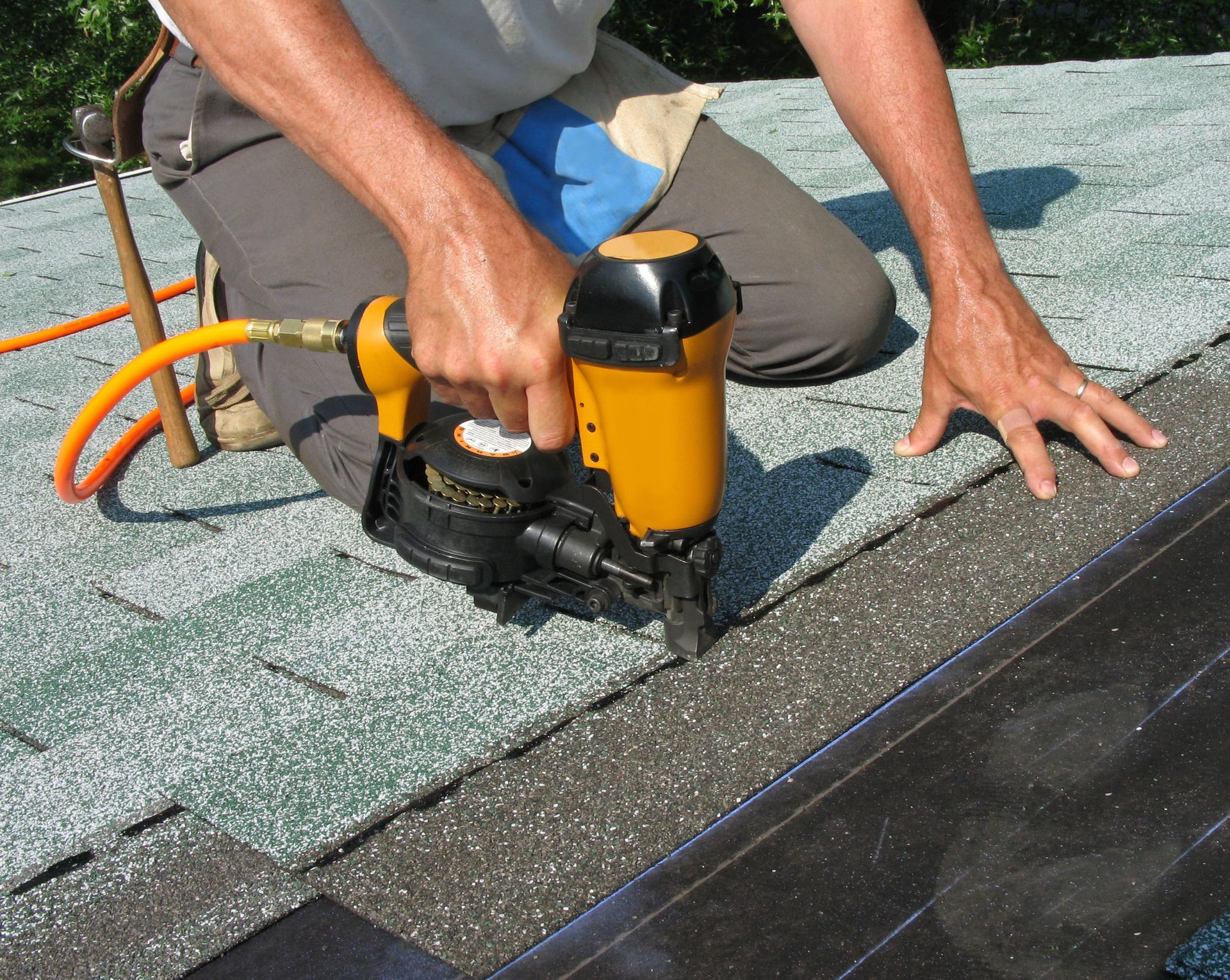
Damaged shingles should not be ignored simply because the roof is not leaking yet. Once the protective surface is compromised, water may be able to work beneath the roofing materials during future storms. Professional roofing services can help identify missing, loose, cracked, or bruised shingles and determine whether localized repairs are appropriate. Addressing these concerns early can help protect the underlayment and roof decking from unnecessary moisture exposure.
Finding Water Stains or Active Leaks
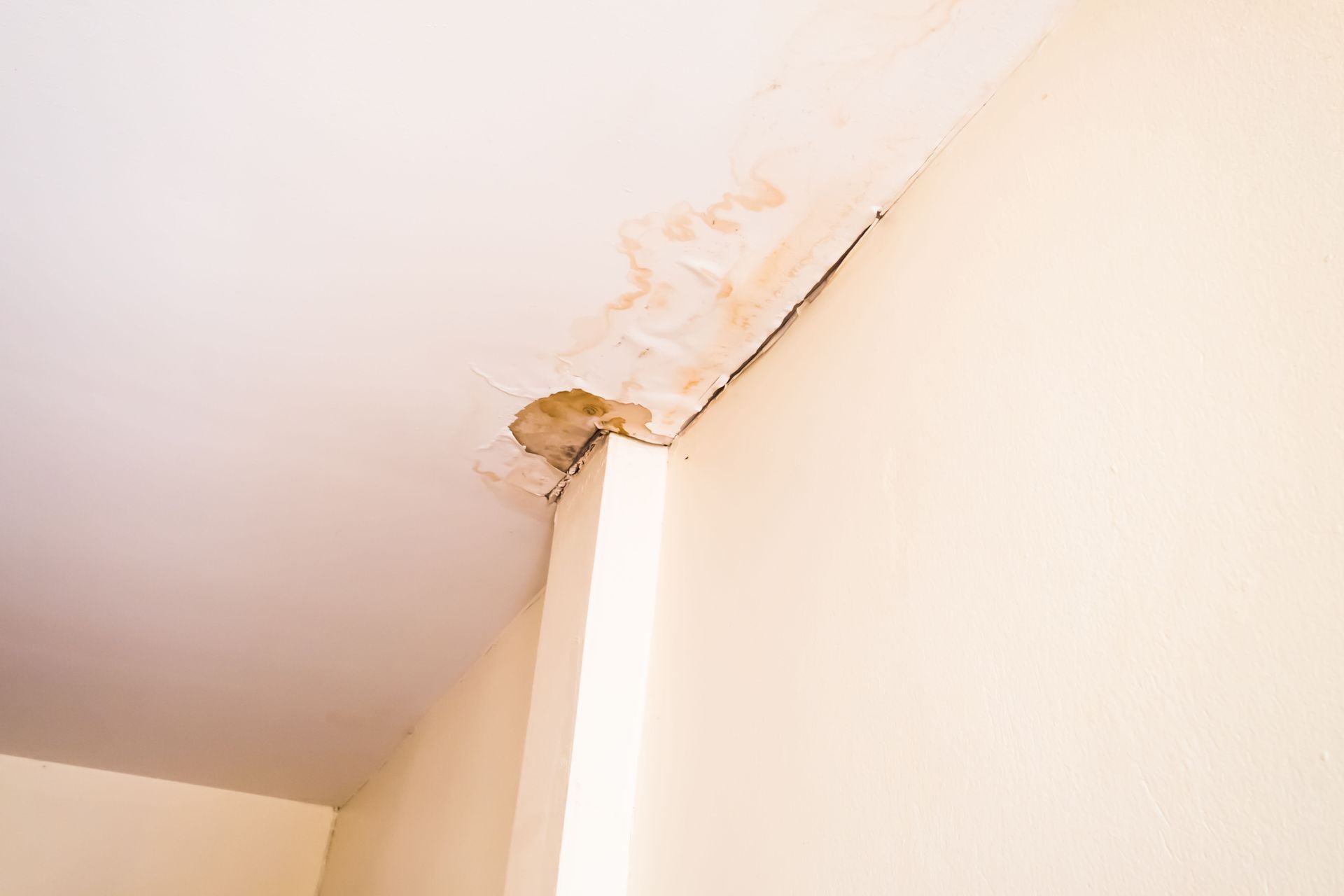
Water stains on ceilings or walls are common indicators that storm damage may have allowed moisture into the home. These stains can appear as yellow, brown, or discolored patches and may grow over time if the source is not corrected. Homeowners may also notice dripping water, damp insulation, peeling paint, bubbling drywall, or musty odors in the attic or upper floors. Even a small amount of visible moisture deserves attention because the water may have traveled from another part of the roof before becoming noticeable indoors.
Roofing services can help trace the source of a leak rather than simply treating the visible stain. Water may enter through damaged shingles, flashing, vents, skylights, or other vulnerable areas and travel along rafters or decking before appearing inside. Identifying the actual entry point is important for making an effective repair. A timely inspection can also help uncover moisture that has not yet produced obvious interior damage.
Spotting Hail Impact on Roofing Materials
Hail can damage roofing materials even when there are no missing shingles or visible holes. Depending on the size and speed of the hail, impacts can create dents, cracks, bruises, or loss of protective granules. According to Roofer’s Guild, more than 6,900 hailstorms occurred across the U.S. Because hail damage can be difficult to recognize from the ground, homeowners may not realize that their roof has been affected until other problems begin to develop.
After a significant hail event, roofing services can provide a closer evaluation of shingles, metal components, vents, flashing, and other exposed surfaces. Signs of damage may include circular impact marks, dented metal, cracked materials, or areas where granules have been knocked loose. Since not every hail strike requires the same type of repair, a professional inspection can help determine the extent of the damage and what steps may be appropriate.
Seeing Damaged Flashing or Roof Edges
Flashing protects some of the most vulnerable areas of a roof, including joints, valleys, chimneys, skylights, vents, and transitions between different surfaces. Strong winds and flying debris can bend, loosen, crack, or displace these materials. Roof edges can also experience damage when gusts lift shingles or pull at drip edge components. These issues may be difficult to see without a close inspection but can create pathways for water to enter beneath the roofing system.
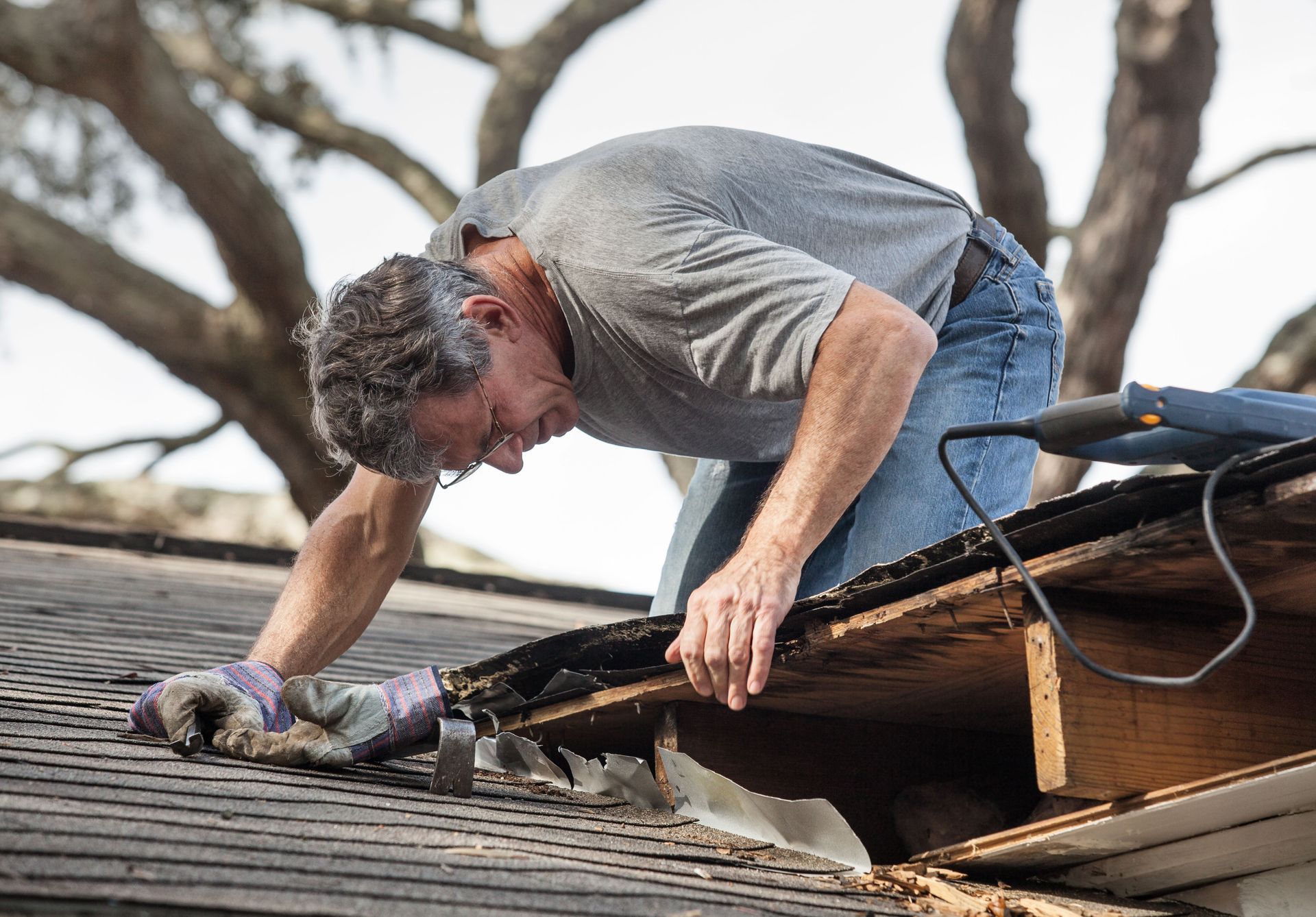
Professional roofing services can examine these areas for separation, missing fasteners, damaged sealants, and other signs of movement. Repairing flashing promptly can be especially important because water tends to collect and travel around roof penetrations and intersections. Even if the surrounding shingles appear intact, compromised flashing may still allow moisture into the structure. Checking these details after a storm can help prevent hidden leaks from developing.
Discovering Excessive Granules in Gutters
Asphalt shingles are covered with granules that help protect them from sunlight and weather exposure. Some granule loss occurs naturally as shingles age, but a storm can cause a sudden increase. Hail, heavy rain, and strong winds may loosen granules and wash them into gutters or downspouts. Homeowners may notice piles of coarse, sand-like material when cleaning gutters after severe weather or see bare-looking areas on the roof.
Significant granule loss can reduce the protective surface of a shingle and may indicate impact damage. Roofing services can evaluate whether the amount of loss is consistent with normal aging or related to recent storm conditions. A professional can also inspect other areas of the roof for bruising or deterioration. Identifying storm-related wear early can help homeowners understand whether repair, monitoring, or more extensive work should be considered.
Observing Sagging or Uneven Roof Areas
A roofline that appears uneven, dipped, or sagging after a storm may indicate a more serious problem. Heavy rainfall can expose existing weaknesses, while falling limbs or other debris may damage roof decking or structural components. Water entering through damaged materials can also contribute to deterioration beneath the visible surface. Sagging should be treated carefully because it may point to compromised support or accumulated moisture rather than a simple cosmetic issue.
Roofing services can assess the affected area and determine whether the problem involves surface materials, decking, rafters, or another structural component. Homeowners should avoid walking on areas that appear soft or unstable because additional weight could worsen the damage. A professional evaluation can help establish the extent of the issue and identify the safest approach to repairs before the condition spreads.
Checking Gutters and Drainage Components
Storms can affect more than the main roofing surface. Gutters, downspouts, and other drainage components may become bent, detached, clogged, or damaged by wind, hail, and debris. When water cannot move away from the roof efficiently, it may overflow along fascia boards, collect near roof edges, or pool around the foundation. Homeowners should check for hanging gutters, loose fasteners, overflowing sections, and downspouts that no longer direct water properly.
Professional roofing services can include an evaluation of how these drainage components interact with the roof. Correcting damaged gutters and clearing storm debris can help water move away from vulnerable areas as intended. The inspection may also reveal damage to fascia, soffits, or roof edges that occurred at the same time. Maintaining proper drainage after a storm can reduce the likelihood of additional moisture-related problems.
Responding to Debris Impact or Fallen Branches
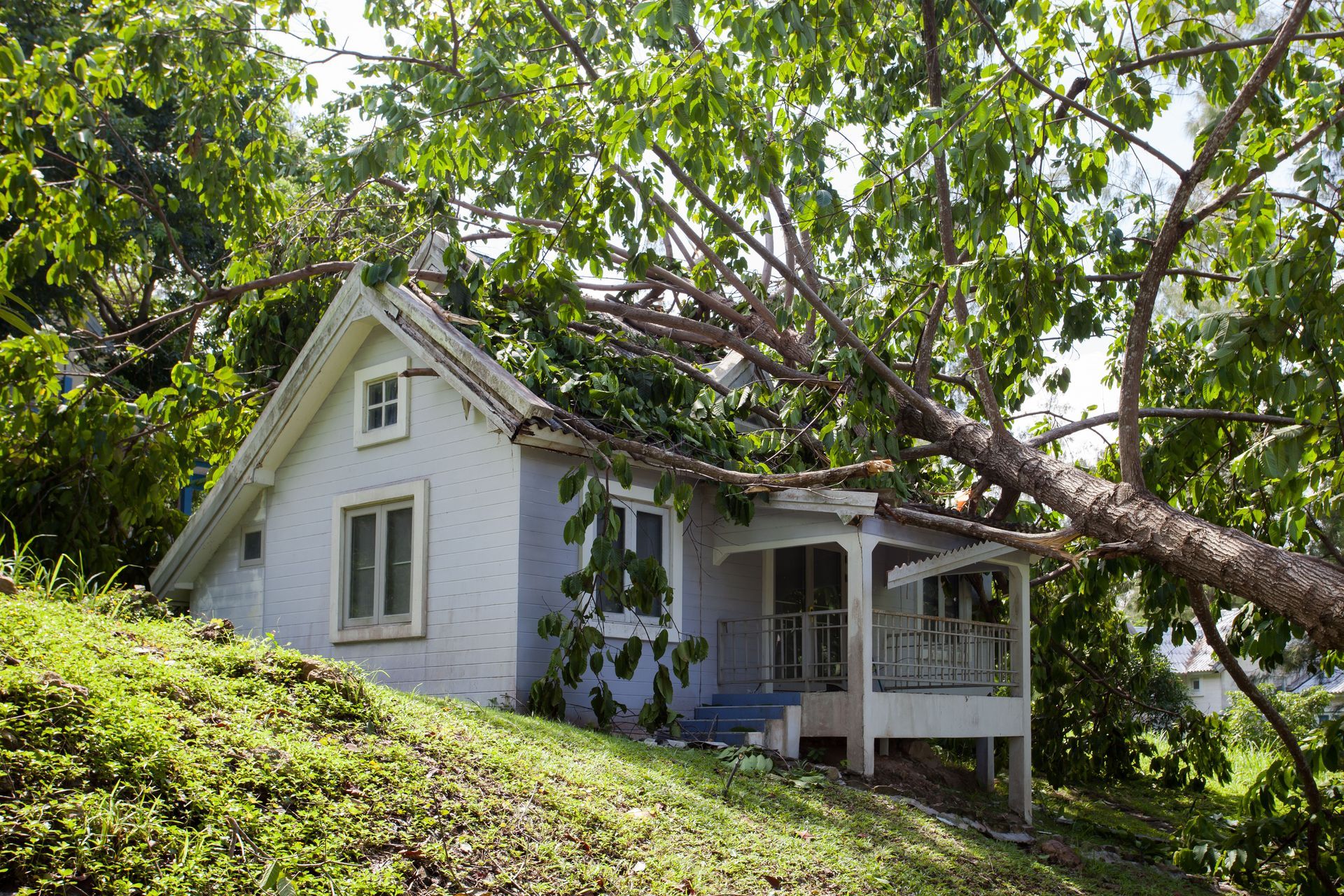
Large branches and airborne debris can strike a roof with enough force to damage shingles, puncture roofing materials, crack decking, or affect structural supports. Some impacts are obvious, such as a branch resting on the roof, while others may leave only subtle marks. After debris is removed, homeowners may assume the roof is fine even though damage remains underneath the visible surface.
Roofing services can help determine whether an impact affected only the outer roofing material or caused deeper damage. A professional may inspect shingles, decking, flashing, and nearby roof components for cracks, punctures, movement, or water entry. Evaluating the area promptly can be particularly important before another storm arrives. Repairing impact damage early may help prevent water from entering through weakened or exposed sections.
Storm damage is not always immediately obvious, which is why homeowners should pay close attention to changes in their roofs after severe weather. Missing shingles, leaks, hail marks, damaged flashing, granule loss, sagging areas, drainage problems, and debris impacts can all indicate that professional attention is needed. Prompt inspections can help identify problems while they are still manageable and reduce the likelihood of moisture reaching deeper parts of the roofing system. For professional roofing services after a storm and help evaluating the condition of your roof, contact DriRoofs today.