By Tim Donohue
November 6, 2026
The roofing industry continues to experience steady demand as housing needs, severe weather, and advances in building materials influence homeowner decisions. Roofs protect properties from moisture, temperature changes, and structural damage, making professional maintenance and installation essential. According to RubyHome, an estimated 5 million roofs are installed each year, demonstrating the industry's ongoing importance.
Population growth and new construction contribute to the need for dependable roofing services and systems. At the same time, storms, hail, and extreme temperatures can accelerate deterioration and increase repair needs. Homeowners increasingly seek durable materials and professional assessments to protect their investments.
Exploring Modern Roofing Materials
Modern roofing materials offer homeowners more choices for balancing durability, appearance, and energy efficiency. Asphalt shingles remain popular for their affordability, while metal roofing appeals to property owners seeking longevity and weather resistance. Tile and synthetic materials also provide distinctive styles and performance benefits.
Energy efficiency is another important consideration. Reflective materials can reduce heat absorption, while appropriate insulation and ventilation help maintain comfortable indoor temperatures. Professional roofing services can help homeowners compare these options and select materials suited to their property's design, climate, and budget.
Sustainable materials are also gaining attention. Some products incorporate recycled materials or support solar installations, allowing homeowners to consider environmental impact alongside performance. Evaluating durability, maintenance requirements, and warranties helps determine which products offer the greatest long-term value.
Comparing Available Roofing Services
Roof installation is essential for new construction and properties requiring complete replacement. Contractors evaluate the building's structure, recommend suitable materials, and ensure the installation meets applicable building codes. Careful planning helps create a roofing system that provides reliable protection and complements the property's appearance.
Roof repairs address problems such as leaks, missing shingles, and damaged flashing. Prompt professional attention can limit moisture intrusion and prevent damage to ceilings, insulation, and structural components. The appropriate repair depends on the roof's age, material, and overall condition.
Inspections help homeowners understand their roof's condition and identify potential problems. Professionals assess roofing materials, flashing, drainage, and other vulnerable areas. Regular evaluations are particularly useful after severe weather or when signs of deterioration appear.
Roof replacement may be necessary when damage is extensive or materials have reached the end of their useful life. Contractors can explain whether repairs remain practical or a new system would provide better long-term protection. Comparing estimates, materials, and warranty coverage supports informed decision-making.
Evaluating Energy-Efficient Roofing
Energy-efficient roofing can improve indoor comfort and potentially reduce heating and cooling expenses. Reflective surfaces limit heat absorption, while proper ventilation helps manage attic temperatures and moisture. Results depend on the property's design, insulation, and local climate.
Solar panels and solar shingles offer options for homeowners interested in renewable energy. Before installation, qualified professionals should assess roof condition, orientation, shading, and structural suitability. These factors help determine whether a solar roofing system is practical for the property.
Green roofing systems can provide benefits such as stormwater management and reduced heat absorption, although they require specialized planning. Structural capacity, waterproofing, and maintenance needs should be evaluated before installation. Homeowners should compare these requirements with the system's expected benefits and costs.
Identifying Common Roofing Problems
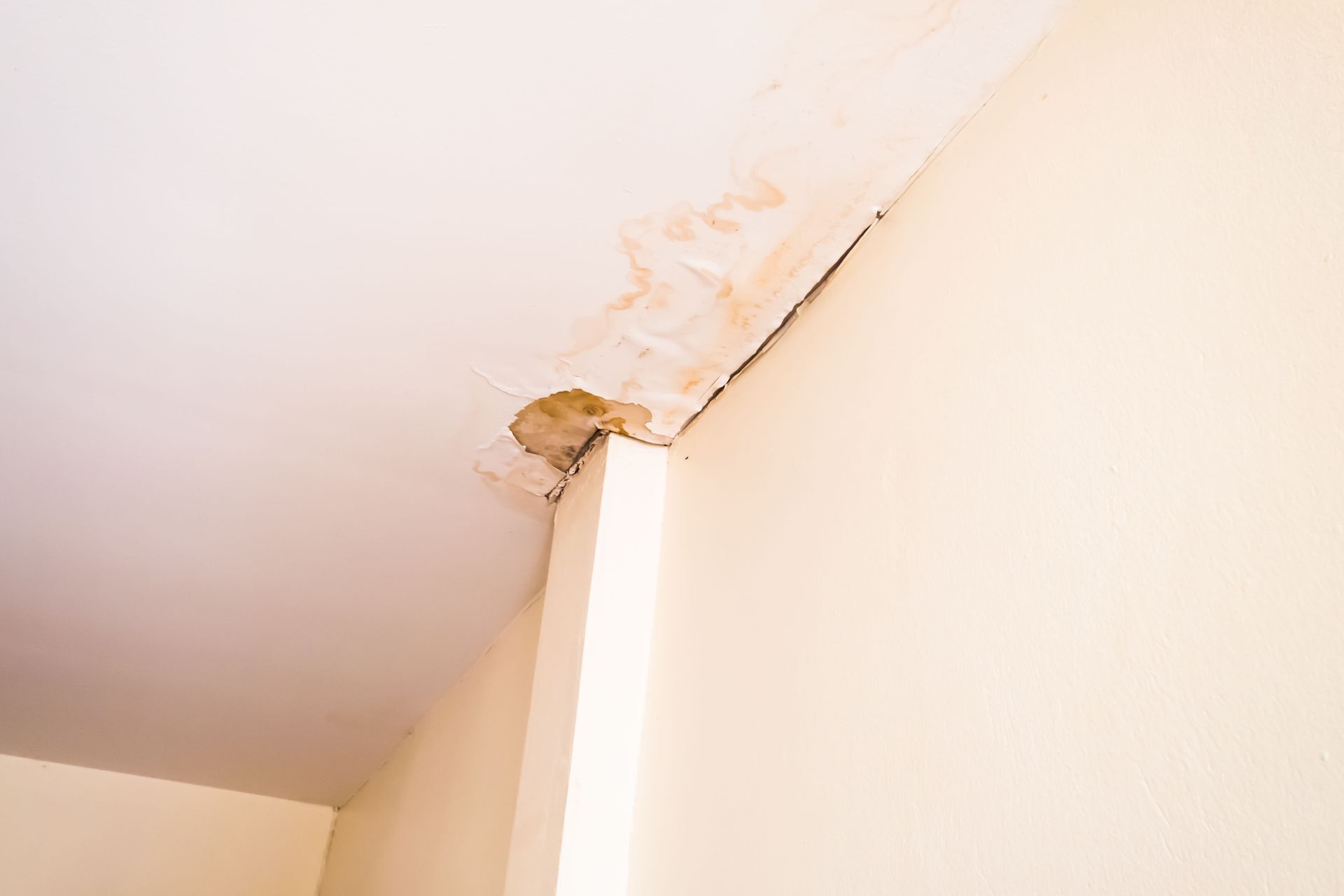
Water stains on ceilings, missing shingles, damaged flashing, and recurring leaks may indicate roofing problems. Changes in the roofline or visible sagging can signal more serious concerns requiring prompt professional evaluation. Addressing problems early can help prevent additional damage.
Storms may cause damage that is difficult to identify from the ground. Hail can affect shingle surfaces, while strong winds may loosen materials or damage flashing around chimneys and vents. Professional inspections help determine whether repairs are necessary.
The roof's age also influences maintenance and replacement decisions. Different materials have different expected lifespans, depending on installation quality, weather exposure, and maintenance history. Contractors can assess these factors and recommend appropriate next steps.
Selecting a Qualified Roofing Contractor
Selecting a qualified contractor requires reviewing experience, insurance coverage, licensing requirements, and customer feedback. Homeowners should verify that the company meets applicable local requirements and carries appropriate insurance. These precautions help establish confidence before work begins.
Written estimates should outline the project scope, materials, labor costs, timeline, payment terms, and warranties. Comparing detailed proposals makes it easier to understand differences in pricing and services. Homeowners should also ask how unexpected repairs or additional costs will be handled.
Warranty coverage is another important consideration. Manufacturer warranties generally address specified product defects, while workmanship warranties cover certain installation-related issues. Reviewing coverage terms, exclusions, and maintenance requirements helps homeowners understand their protection.
Managing Roofing Project Costs
Roofing expenses vary according to roof size, material selection, accessibility, labor, and existing damage. Projects involving structural repairs or specialized materials may cost more than straightforward replacements. Detailed estimates help homeowners understand the factors affecting the total investment.
Material prices should be weighed against durability and long-term maintenance needs. Although lower-priced products may reduce initial expenses, some premium materials offer longer service lives or improved energy performance. Comparing these factors provides a clearer picture of overall value.
Project timing can also affect scheduling and availability. Demand often increases after severe weather, when many property owners need repairs simultaneously. Planning nonurgent projects in advance may provide greater flexibility when arranging professional roofing services. Homeowners should also prepare for unexpected issues, such as deteriorated decking or concealed moisture damage. Discussing how additional work will be documented and approved helps prevent misunderstandings during the project.
Understanding Weather and Roofing Requirements
Local weather conditions influence the most appropriate roofing materials for a property. Areas exposed to frequent storms may benefit from products designed for wind resistance, while hot climates can make reflective materials attractive. Snowfall, humidity, and temperature fluctuations also affect roofing performance.
Building codes establish requirements for materials, installation methods, and structural safety. Certain projects may require permits or inspections, depending on local regulations. Experienced contractors can explain these requirements and help ensure the work complies with applicable standards.
Drainage and ventilation also contribute to roof performance. Poor drainage can allow water to accumulate, while inadequate ventilation may lead to excess attic heat and moisture. Professional evaluations consider these components alongside the roofing materials themselves.
Protecting Property Value Through Roofing
A well-maintained roof contributes to a property's appearance, functionality, and overall condition. Visible deterioration may concern prospective buyers, while records of completed repairs, installations, and warranties can help demonstrate responsible property maintenance.
Homeowners preparing to sell can benefit from understanding the roof's condition and expected remaining lifespan. A professional inspection can clarify whether repairs or replacement should be considered before listing. Documenting previous work also provides useful information for prospective buyers.
Investing in appropriate roofing services helps homeowners protect their properties and manage future expenses. Material quality, installation standards, and professional inspections all contribute to long-term performance. Evaluating these factors together supports better decisions about roof maintenance and replacement.
Choosing an experienced roofing professional helps homeowners address current problems and plan for long-term protection. DriRoofs can help you explore roofing options, assess your property's needs, and determine suitable next steps. Professional guidance can also help you compare materials, understand project requirements, and prioritize improvements based on your roof's condition.
Whether you need an inspection, repairs, or a complete replacement, working with a qualified contractor can help protect your home from weather-related damage. Contact DriRoofs to discuss roofing project services and find solutions that align with your home's condition and budget.