By Tim Donohue
October 30, 2026
Heavy wind and rain can leave a home vulnerable to damage that is not immediately obvious. Missing shingles, damaged flashing, and clogged drainage systems may allow moisture to enter long after the weather clears. Recognizing warning signs early helps homeowners protect their property and arrange necessary repairs.
After severe weather, homeowners should assess visible conditions from safe locations and contact roofing contractors when professional inspections are necessary. Climbing onto a damaged roof can be dangerous, especially when surfaces remain wet or unstable. The following six inspection areas deserve attention after a major storm.
Inspecting the Roof's Visible Surface
Checking for Missing Shingles
Strong winds can loosen or remove shingles, leaving underlying roofing materials exposed. From the ground, homeowners may notice irregular rooflines, bare patches, or shingles scattered across the yard. Missing materials deserve prompt professional attention because exposed areas may allow water to penetrate the roof.
Checking for Lifted Shingle Edges
Shingles do not always detach completely during storms. Wind can lift their edges, weaken adhesive seals, or create openings beneath overlapping materials. These problems may be difficult to recognize without a professional evaluation, particularly when damage affects upper roof sections.
Checking for Displaced Roofing Materials
Pieces of roofing material found around a property may indicate damage above. Homeowners should note where debris appears without attempting to access dangerous areas. Experienced roofing contractors can determine whether the materials came from the roof and identify affected sections.
Checking for Visible Surface Dents
Hail can damage roofing materials even when heavy rain causes no immediate leaks. According to Roofer's Guild, the United States experienced more than 6,900 hailstorms, illustrating how frequently properties can face this weather hazard. Professional inspections can identify impact damage that may not be visible from below.
Inspecting the Roof's Protective Components
Checking for Damaged Flashing
Flashing protects vulnerable intersections around chimneys, walls, and roof penetrations. High winds can loosen these metal components or disturb surrounding seals. When flashing no longer directs water properly, moisture may enter areas that otherwise appear protected by intact shingles.
Checking for Exposed Fasteners
Storm movement can reveal fasteners or create openings around roofing attachments. Exposed metal components may allow moisture to reach underlying materials. These conditions generally require professional assessment because identifying the correct repair depends on the roof's construction and existing condition.
Checking for Loose Vent Covers
Roof vents help manage attic ventilation but can become damaged during severe weather. Missing covers or displaced components may create entry points for rain. Qualified roofing contractors can examine these areas and determine whether repairs or replacement parts are needed.
Checking for Damaged Chimney Connections
Chimneys create additional intersections where roofing materials must remain properly sealed. Storms may disturb nearby flashing, masonry, or protective components. Homeowners who notice displaced materials around a chimney should arrange an evaluation rather than attempting repairs near elevated or unstable surfaces.
Inspecting the Home's Drainage System
Checking for Sagging Gutters
Heavy rainfall and accumulated debris can place substantial weight on gutters. Sagging sections may indicate loose attachments or structural damage. Poorly supported gutters can redirect water toward siding and foundations instead of carrying it safely away from the building.
Checking for Blocked Downspouts
Leaves, branches, and roofing debris can collect inside drainage channels during storms. Blockages may cause overflowing water or pooling near the foundation. Homeowners can observe drainage problems from safe areas and arrange professional service when obstructions require elevated access.
Checking for Detached Gutter Sections
Wind and falling branches may separate gutters from roof edges. These openings can interfere with drainage and expose nearby building materials to concentrated water flow. Roofing contractors can assess whether the affected components need reattachment, repair, or replacement.
Checking for Unusual Water Patterns
Water spilling behind gutters or collecting near exterior walls may signal drainage problems. These patterns sometimes become apparent only during rainfall. Documenting their locations helps professionals identify possible causes and evaluate whether storm damage has changed the system's performance.
Inspecting the Home's Interior Surfaces
Checking for Ceiling Discoloration
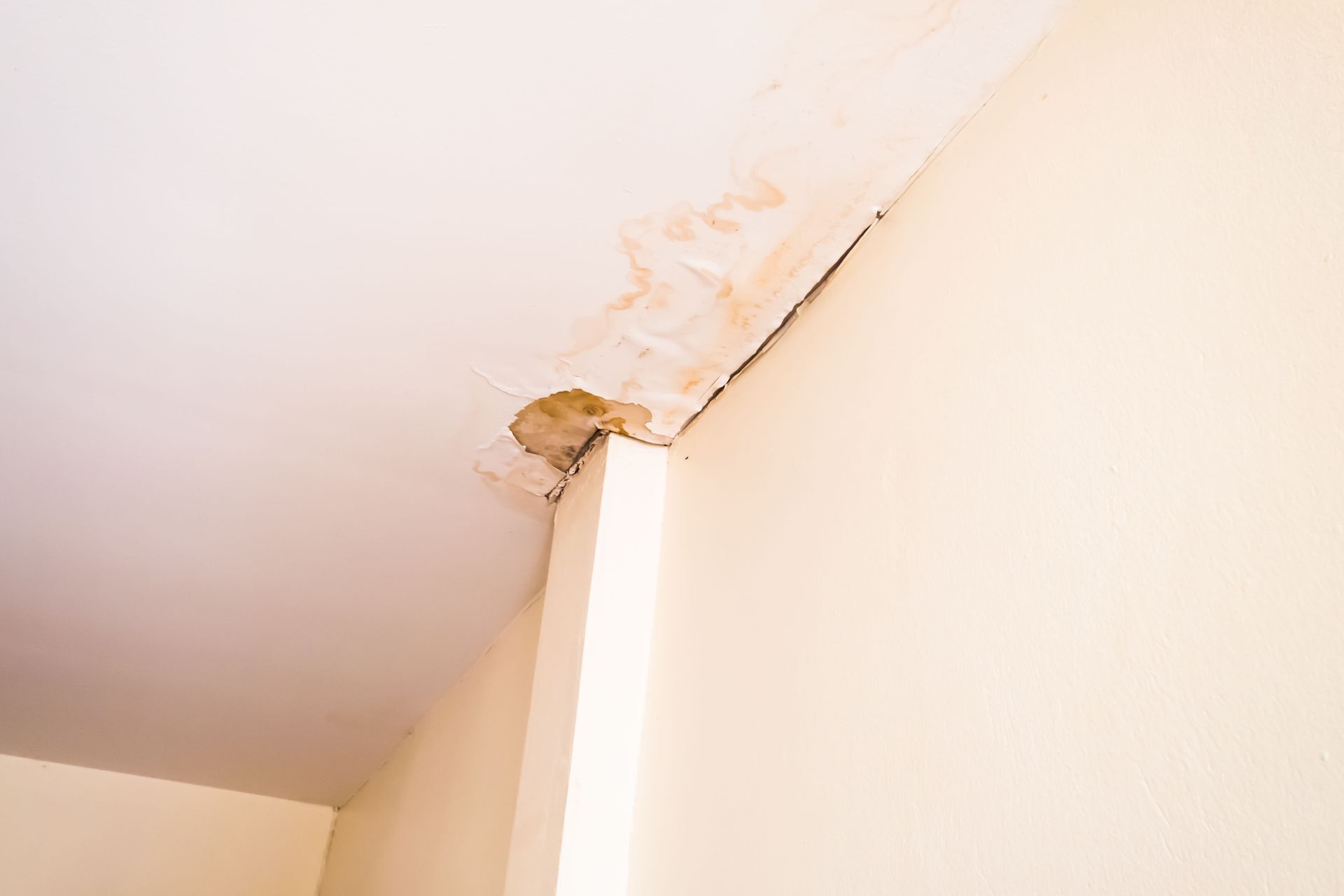
New brown or yellow ceiling stains may indicate moisture entering through damaged roofing materials. Discoloration can develop gradually, making it important to recognize changes after severe weather. Professional assessment helps determine whether the source involves the roof or another building component.
Checking for Damp Wall Areas
Water entering near roof intersections may travel through concealed spaces before appearing on interior walls. Dampness, bubbling paint, or peeling finishes can suggest moisture exposure. These symptoms warrant attention even when the roof looks undamaged from outside.
Checking for Attic Moisture
Attic spaces may reveal damp insulation, water staining, or other signs of intrusion. Homeowners should avoid entering unsafe areas or approaching exposed electrical components. Professional roofing contractors can investigate suspected leaks and determine whether roof damage is contributing to the problem.
Checking for Persistent Musty Odors
Unusual odors following heavy rain may indicate lingering moisture inside enclosed spaces. Although odors alone cannot confirm a roofing leak, they provide useful information when combined with staining or dampness. Timely investigation can help prevent additional deterioration of affected materials.
Inspecting the Property's Exterior Areas
Checking for Fallen Tree Branches
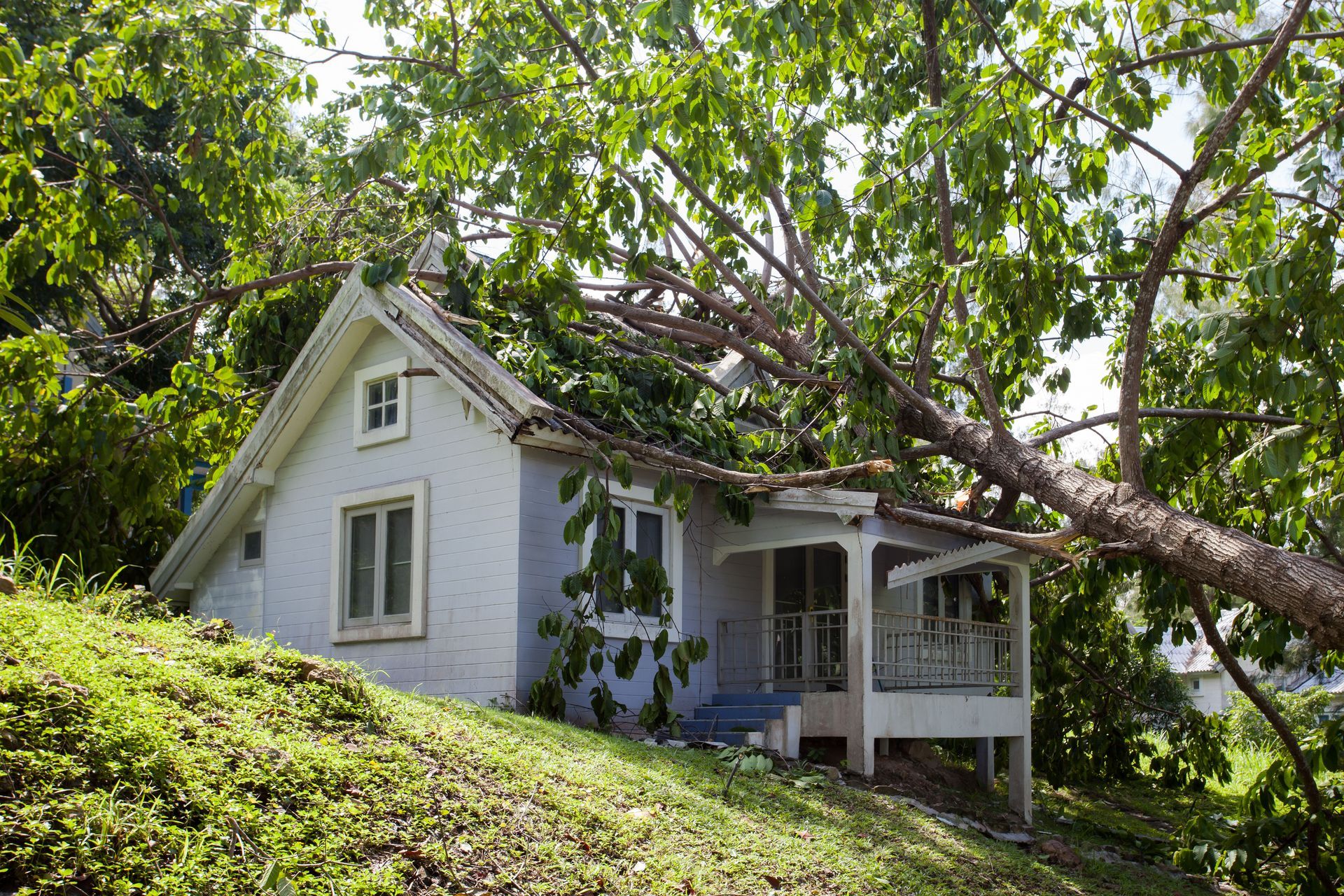
Branches can strike roofing materials, gutters, and exterior walls during strong winds. Even smaller impacts may loosen components without producing obvious structural damage. Homeowners should remain clear of hanging limbs and damaged trees until qualified professionals determine that the area is safe.
Checking for Damaged Siding
Wind-driven rain can enter openings created by loose or cracked siding. These conditions may resemble roofing leaks when moisture appears indoors. Observing exterior damage helps professionals evaluate multiple possible entry points instead of assuming every water problem originates above.
Checking for Debris Around the Foundation
Roofing fragments, broken fasteners, and displaced materials may collect near the house. Their presence can help identify affected building areas. Roofing contractors can use these observations alongside a professional inspection to develop a clearer understanding of storm-related damage.
Checking for Detached Exterior Fixtures
Storms may loosen vents, trim, or other fixtures attached near the roofline. Damaged attachments can expose openings to rain and wind. Homeowners should document visible concerns and avoid handling loose electrical equipment or materials that could fall unexpectedly.
Inspecting the Need for Professional Repairs
Reviewing Visible Damage Documentation
Photographs taken from safe locations can help establish what changed after a storm. Recording visible conditions and approximate discovery dates provides useful context for contractors and insurance discussions. Documentation should never require climbing onto the roof or entering hazardous areas.
Reviewing Potential Leak Locations
Moisture can travel along framing or other materials before becoming visible. Professional evaluation helps trace suspected intrusion and identify repairs that address the source rather than symptoms alone.
Reviewing Repair Recommendations
Different roofing materials and damage patterns require different solutions. Some conditions may call for localized repairs, while extensive damage can justify broader work. Experienced roofing contractors can explain inspection findings and discuss appropriate options based on the roof's condition.
Reviewing Future Weather Protection
Completing necessary repairs helps restore the roof's protective function before another storm arrives. Homeowners can also discuss ongoing inspection needs and concerns involving aging materials. Regular professional attention supports informed maintenance decisions throughout the roof's service life.
A post-storm assessment should focus on visible roof damage, protective components, drainage, interior moisture, exterior hazards, and repair needs. Recognizing warning signs allows homeowners to seek help without exposing themselves to unnecessary risks.
For professional storm damage inspections and roofing repairs, contact DriRoofs today. Our team can evaluate your roof's condition, explain potential concerns, and recommend appropriate solutions to help protect your home after severe weather.