Roofing is a vital aspect of home maintenance, yet many homeowners lack essential knowledge about their roofs. This article aims to bridge that gap by outlining key insights from professional roofers. Whether you're considering a new roof, addressing damage, or want to enhance your roof's longevity, these expert tips will guide you toward informed decisions.
1. Importance of Regular Roof Inspections
Regular roof inspections are crucial to maintaining the structural integrity of your home. By scheduling routine inspections, you can catch minor issues before they escalate into significant problems. Roofers emphasize that early detection of issues like leaks, cracks, and other damage can save homeowners considerable money and hassle in the long run. Inspections also ensure that the roof’s warranty remains valid, as some require regular maintenance documentation. Without routine checks, homeowners might miss signs of damage that aren't immediately visible.
Seasonal weather changes can have a profound impact on roof health. During winter, ice dams can form, leading to water seepage and damage to the interior. Hot summers, on the other hand, can cause roofing materials to expand and contract, which sometimes can create cracks. Roofers advise inspecting the roof at least twice a year, ideally in spring and fall, to prepare for and recover from extreme weather conditions. Seasonal inspections can help identify and remedy weather-related vulnerabilities before they worsen.
Professional roof inspections offer benefits that DIY checks typically cannot match. Experienced roofers have the tools and expertise to identify subtle and developing problems unknowable to the untrained eye. According to Roofer’s Guild, proactive inspections, akin to cool roofs that reduce energy by 16.6%, can significantly enhance a roof’s efficiency and longevity. They provide a comprehensive evaluation of roofing components, including shingles, flashings, and gutters. Homeowners can save money and effort by investing upfront in professional inspections, which ensure thorough evaluations and peace of mind.
2. Understanding Roofing Materials
Understanding the types of roofing materials available and their characteristics is imperative for making an informed decision. Common materials include asphalt shingles, metal, tile, and eco-friendly options like green roofs or recycled shingles. Each type has its own advantages and disadvantages, which can influence durability, cost, and aesthetic appeal. Homeowners should evaluate their regional climate, architectural style, and budget when selecting roofing materials. An informed choice will not only enhance a home's curb appeal but will also contribute to its overall functionality and longevity.
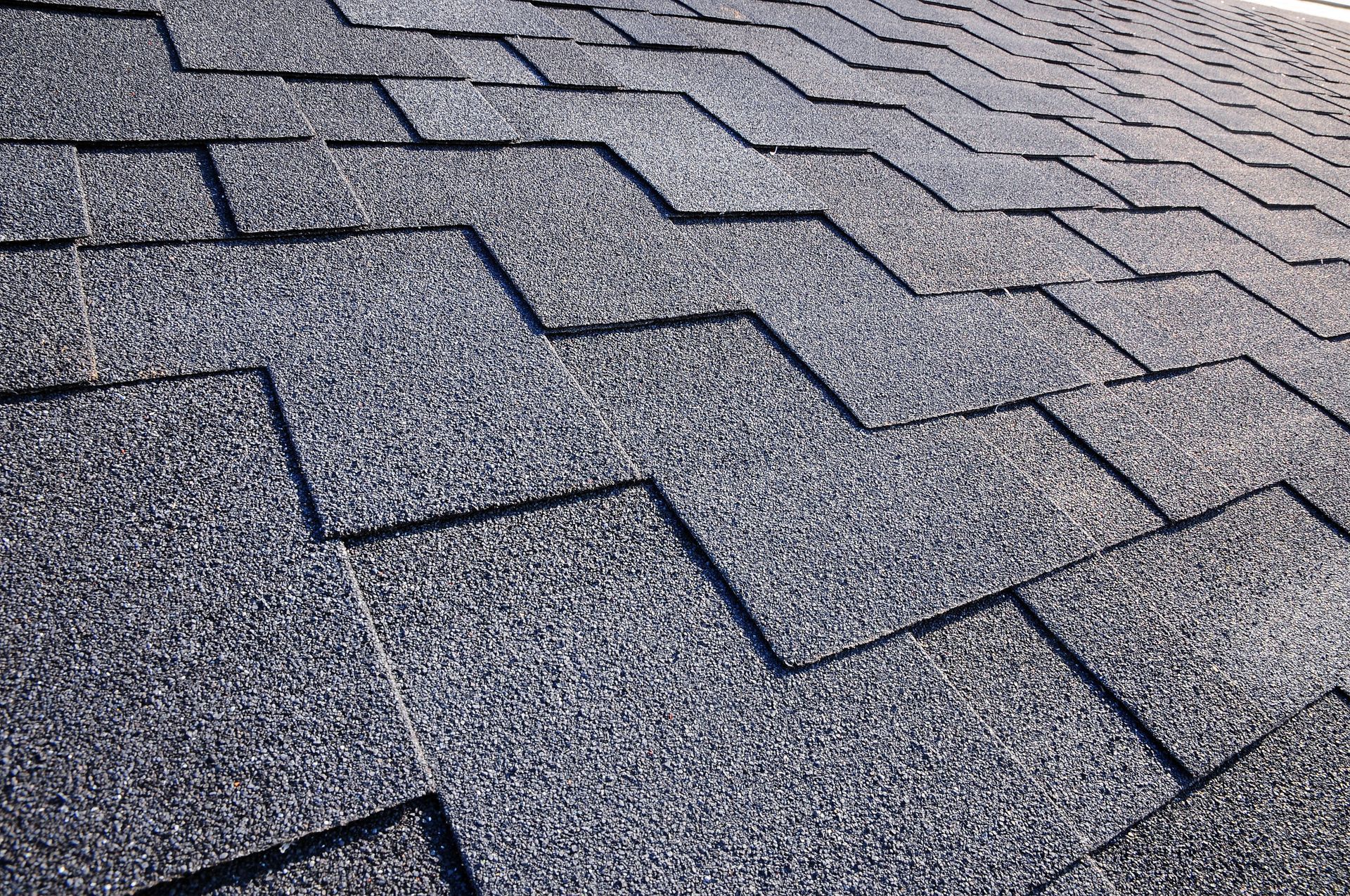
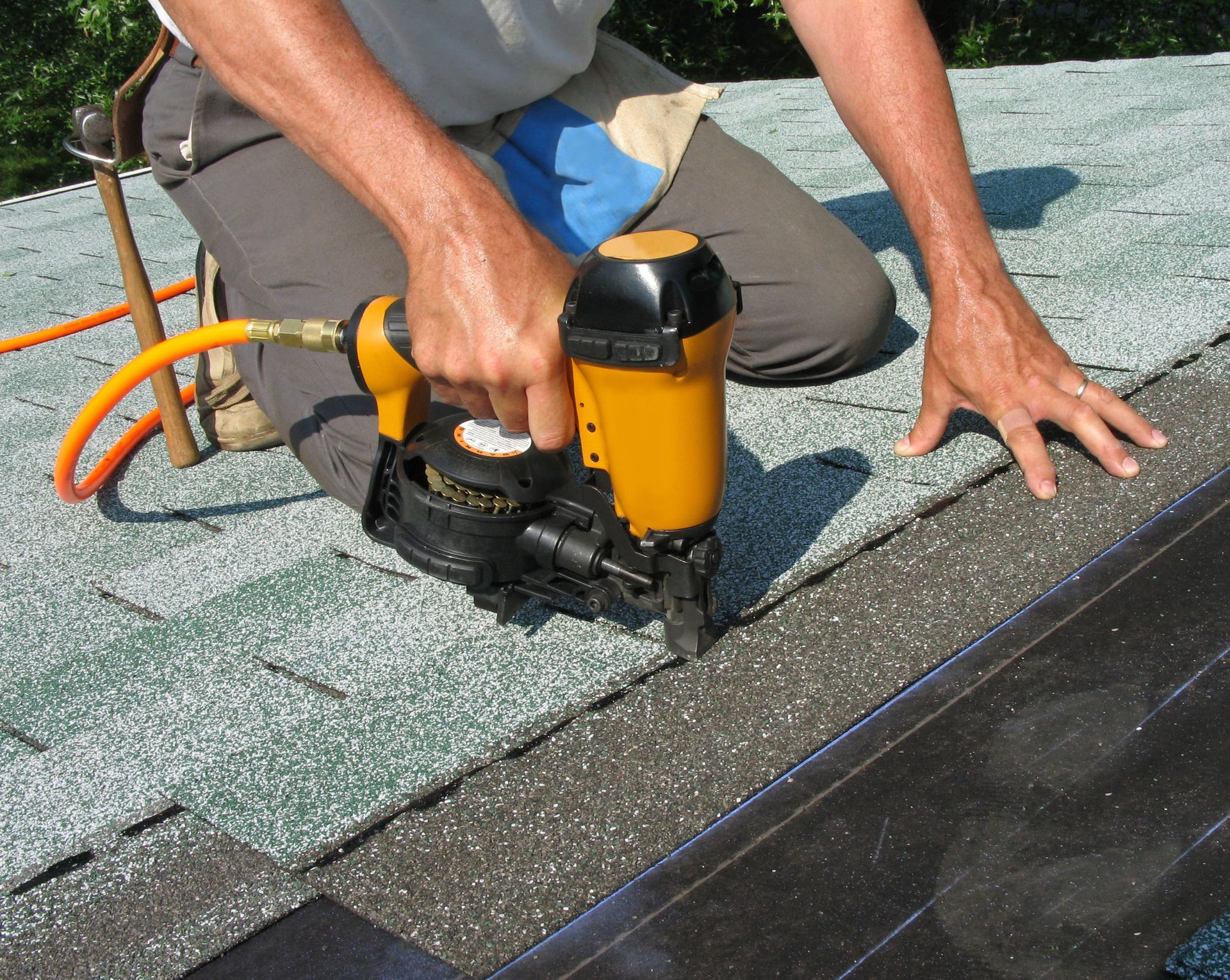
Asphalt shingles are among the most popular roofing materials due to their affordability and ease of installation. However, roofers point out that while they are cost-effective, their lifespan is typically shorter compared to materials like metal. They are prone to damage from high winds and can contribute to heat absorption, raising a home's energy bills in hot climates. On the other hand, metal roofs offer excellent durability and are light, highly resistant to extreme weather, and environmentally friendly. Although metal roofing comes with higher upfront costs, its long-term benefits and minimal maintenance requirements often offset the initial investment.
Eco-friendly roofing options, such as cool roofs, recycled shingles, and solar panels, are becoming increasingly popular as homeowners seek sustainable alternatives. Cool roofs, in particular, are designed to reflect more sunlight and absorb less heat, achieving notable energy savings. Additionally, these options can often increase a home's resale value while reducing its carbon footprint. Opting for sustainable materials is both a financially and environmentally sound choice, modernizing homes in an eco-conscious direction.
3. The Role of Roof Ventilation
Proper roof ventilation is a key, yet often underrated, aspect of maintaining a healthy roofing system. Adequate airflow prevents heat and moisture build-up in the attic, which can lead to mold growth, material degradation, and increased energy costs. Ventilation systems help regulate temperature and extend the lifespan of the roofing material. When air flows in and out of the attic effectively, it naturally maintains indoor comfort levels without excessively taxing heating and cooling systems. Hiring a professional to evaluate and upgrade roof ventilation can protect both the roof and the health of the household.
There are several types of roof ventilation systems, including ridge vents, soffit vents, and turbine vents, each serving a specific purpose. Ridge vents, located at the peak of the roof, allow warm air to escape, while soffit vents draw in cooler air from beneath the eaves. Turbine vents, or whirlybirds, use wind to rotate and expel warm air, suitable for areas with consistent wind patterns. Selecting the correct combination of vent types greatly enhances ventilation efficiency. Consulting with a roofer ensures the best ventilation strategy tailored to the specific home and climate conditions.
Common ventilation issues can arise from poor installation, blockage, or insufficient ventilation areas. These issues could lead to energy inefficiency and escalating cooling costs. Professional roofers stress the importance of proper ventilation to not only maintain comfort but to also protect roof materials from premature degradation due to excess heat and moisture. Addressing these issues early can prevent costly repairs later. In cases of older homes, upgrading the ventilation system to modern standards can be a cost-effective solution resulting in immediate, noticeable improvements to energy efficiency and indoor air quality.
4. Recognizing Roof Damage
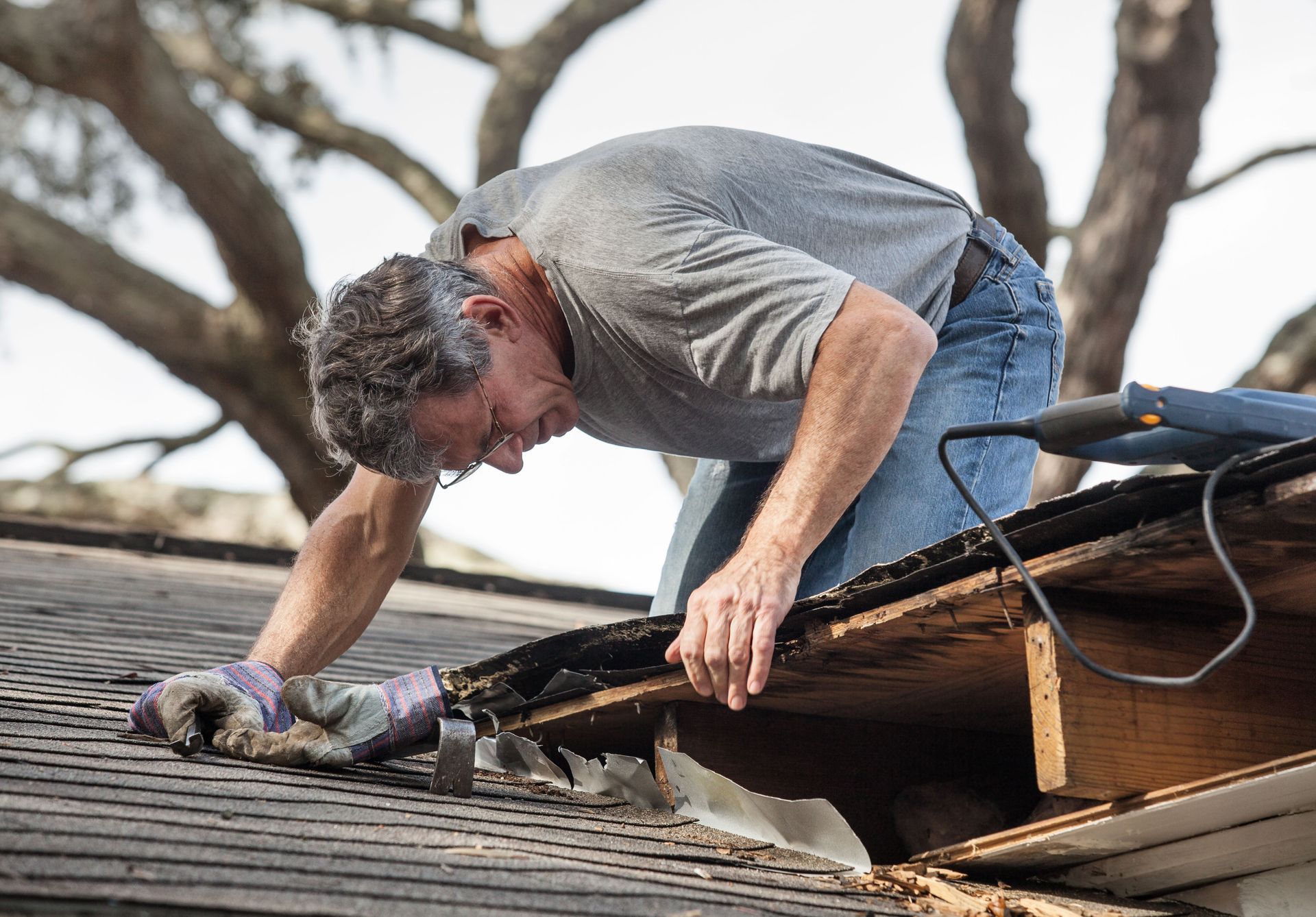
Recognizing roof damage early on can save homeowners from extensive and expensive repairs. Water damage is one of the most common signs of roof trouble, often indicated by stains on the ceiling, moldy patches, or a persistent musty smell indoors. During inspections, evidence of water damage, such as loose or missing shingles and compromised flashings, should be carefully noted. Roofers suggest acting promptly upon discovering such signs to minimize further issues and repair costs. Neglecting these early warning signs can lead to major structural damage over time, ultimately requiring a full roof replacement.
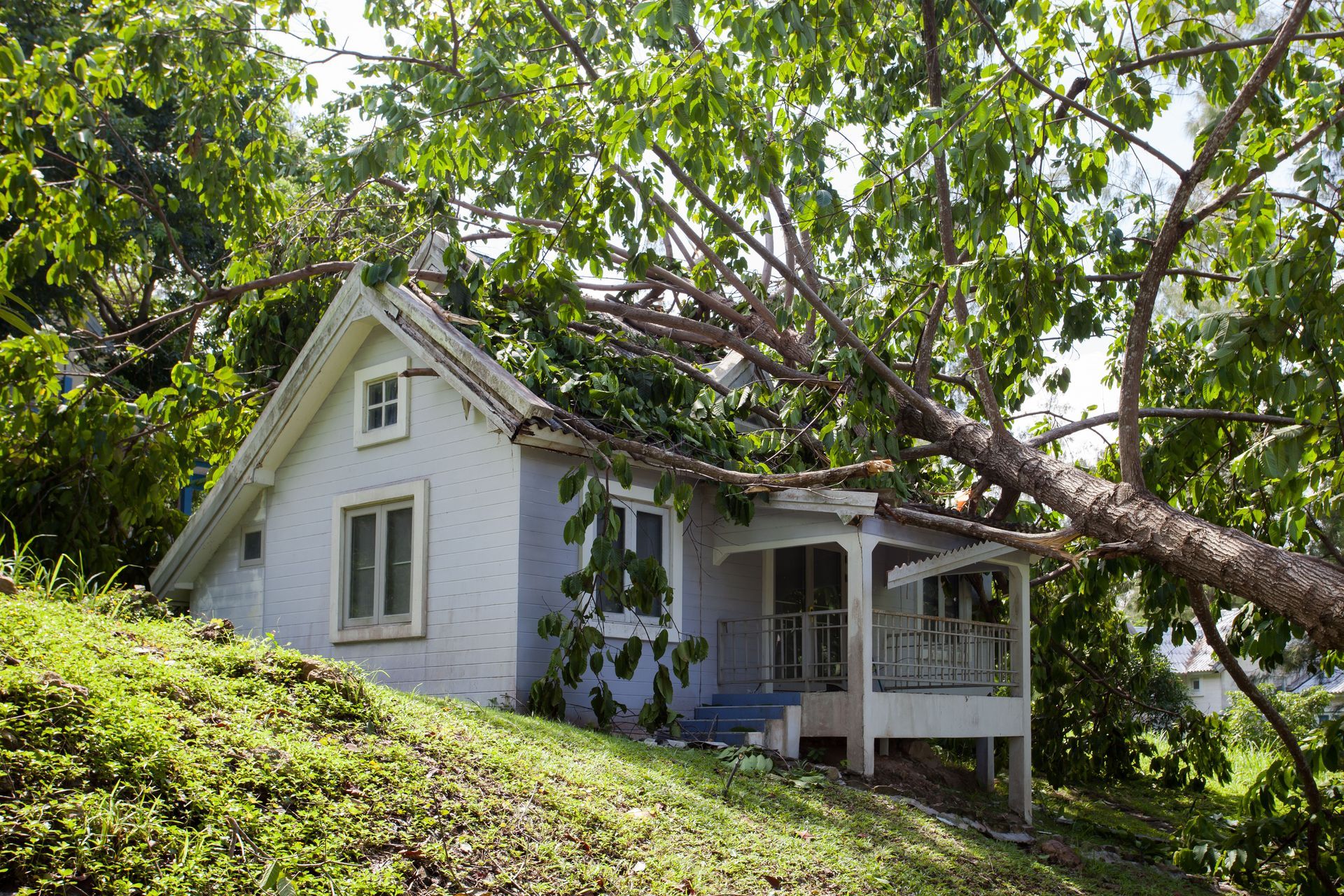
Storms, hail, and high winds are major contributors to roof damage in susceptible areas. Such weather events can dislodge shingles, warp materials, and cause extensive damage that may not be immediately obvious. Roofers encourage homeowners to conduct a thorough inspection after any significant storm to assess potential damage. Even minor issues like dented shingles, when left unchecked, can compromise the entire roofing system. While home insurance may cover some storm-related damage, timely detection and documentation are crucial for valid claims.
Ignoring minor roofing issues can exacerbate problems, leading to more severe damage and increased repair costs. For instance, a small leak may initially seem inconsequential but can ultimately lead to mold, insulation damage, and weakened structural beams. Furthermore, delaying repairs might void manufacturer or contractor warranties, leaving homeowners with added financial burdens. Roofers advise keeping a maintenance log and addressing issues as soon as they're identified to maintain warranty coverage and prevent escalation of minor problems. Taking preventive and immediate action can ensure the longevity and sturdiness of your roof.
By heeding the advice of professional roofers, homeowners can ensure their roofs remain sturdy, functional, and efficient for years to come. Regular inspections, understanding materials, and addressing issues promptly are just a few measures that can save you from costly repairs and provide peace of mind. Being informed and choosing wisely when tackling roofing projects can lead to long-term benefits for your home’s safety and value. Engaging skilled professionals and investing in quality materials make the difference between frequent repairs and sustained structural durability. Commitment to maintenance and upgrades ensures a well-kept home that retains both comfort and property value. Reach out to DriRoofs today to see how we can help you!