By Tim Donohue
July 1, 2026
Your roof is one of the most important components of any property. It serves as the first line of defense against rain, wind, snow, temperature fluctuations, and other environmental conditions that can affect the integrity of a structure. Because of its critical role, replacing a roof is a significant investment that requires careful planning and informed decision-making.
Many property owners only begin researching a roof replacement after experiencing leaks or visible damage. However, understanding the process before problems become severe can help you make better choices, avoid unexpected expenses, and protect your property for years to come. Whether your roof is showing signs of age or you are simply preparing for the future, there are several key factors worth considering before moving forward with a replacement project.
Understanding When Replacement Becomes Necessary
Recognizing the Warning Signs
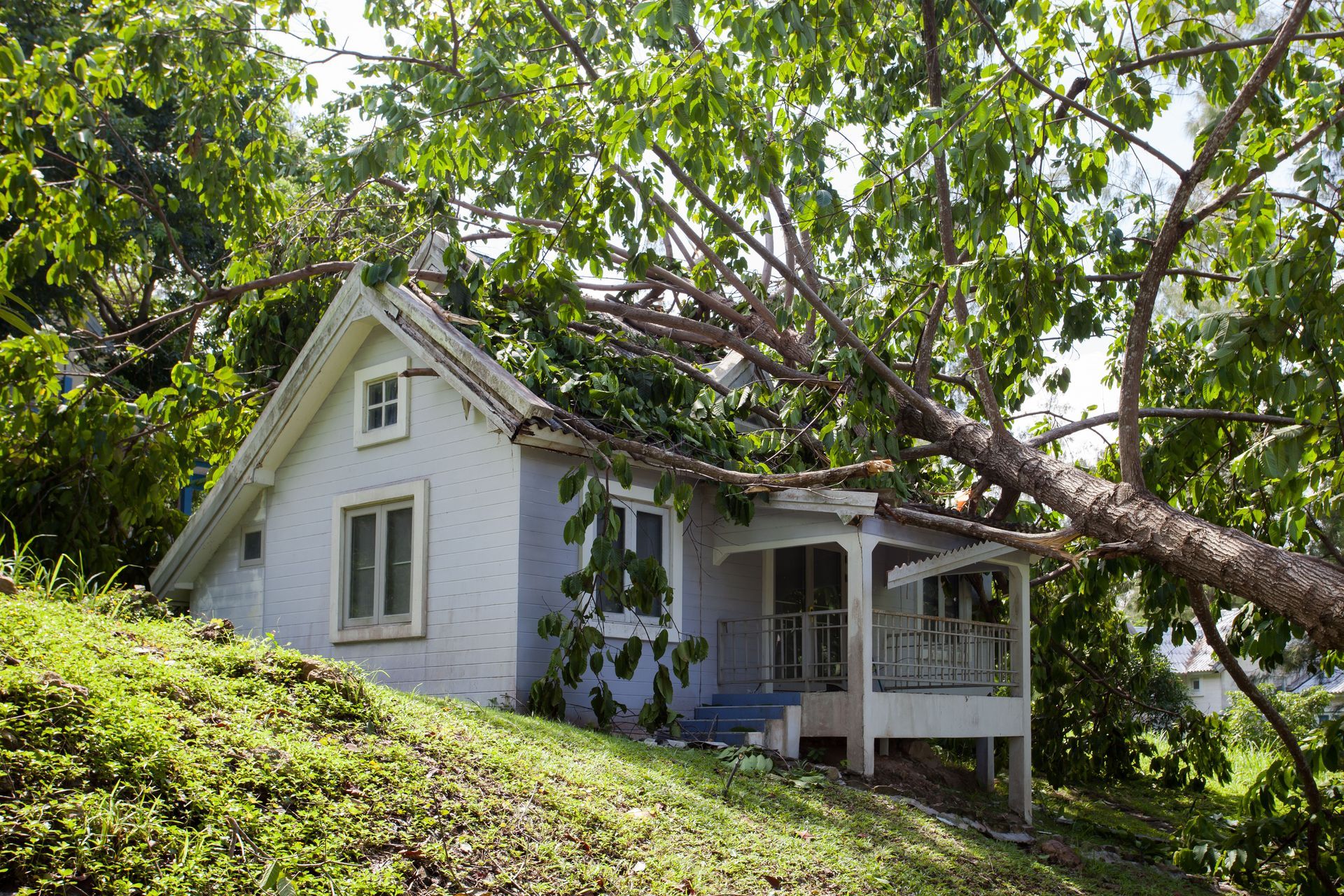
One of the first things property owners should understand is that roofs rarely fail without providing warning signs. In many cases, deterioration develops gradually over time. Missing shingles, cracked roofing materials, sagging sections, and excessive granules accumulating in gutters can all indicate that the system is nearing the end of its useful life.
Interior signs can be equally important. Water stains on ceilings, peeling paint near rooflines, and persistent moisture issues in attic spaces may suggest that the roofing system is no longer providing adequate protection. When these issues begin appearing together, they often point to larger concerns that extend beyond a simple repair.
Property owners who respond early to these warning signs often have more flexibility when scheduling a roof replacement. Prior planning allows time to compare materials, review estimates, and select a contractor without the pressure of an emergency.
Comparing Replacement and Ongoing Repairs
Many people initially focus on repairing visible problems because repairs typically involve lower upfront costs. While this approach often makes sense for isolated damage on a relatively newer roof, the equation changes when recurring issues become common.
Repeated leaks, ongoing patchwork, and multiple service calls can add up over time. More importantly, recurring repairs may address symptoms without resolving the underlying causes of deterioration. This can leave property owners spending money repeatedly while the roof continues to decline.
In many situations, a roof replacement becomes the more cost-effective option because it restores the entire system rather than addressing individual trouble spots. Instead of managing one problem after another, property owners gain the confidence that comes from having a unified roofing system designed to perform consistently.
Preparing for the Replacement Process
Understanding What Happens During Installation
A successful project begins long before new materials are installed. The process typically starts with a thorough inspection and assessment of the existing roof. Contractors evaluate the condition of the roofing materials, flashing, ventilation components, and structural elements to identify any underlying concerns.
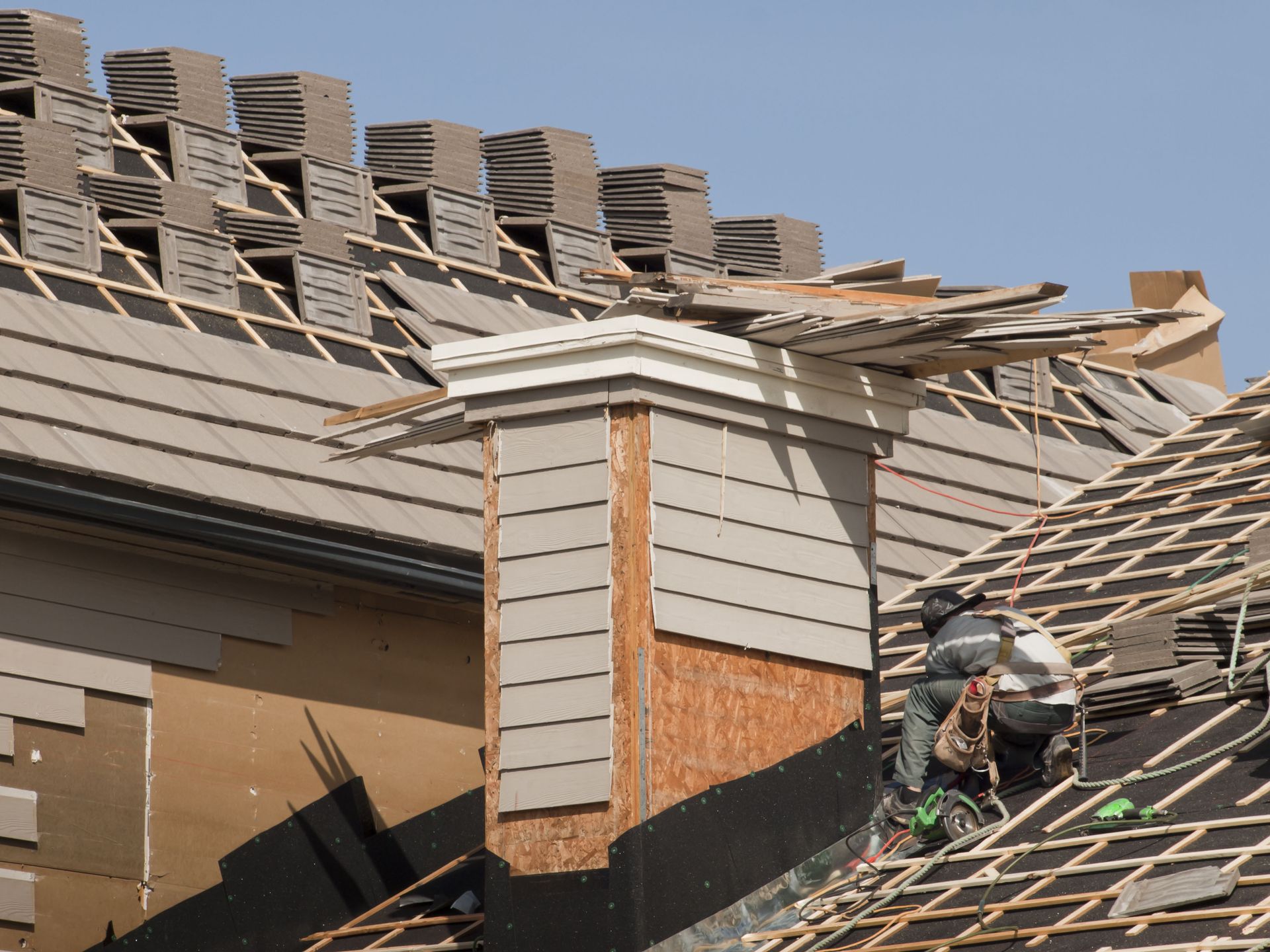
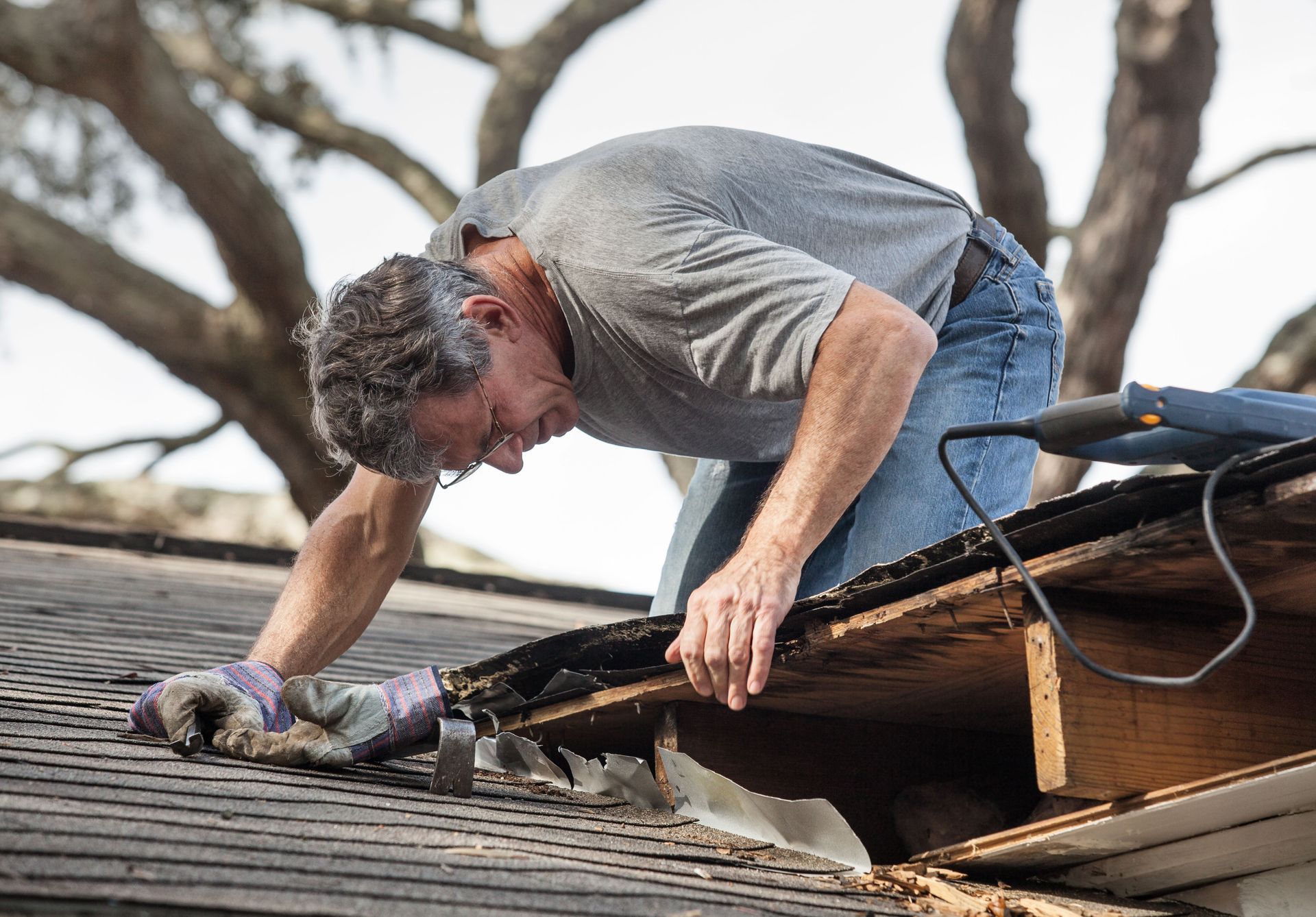
Once work begins, the existing roofing materials are removed to expose the roof deck beneath. This stage is particularly important because it allows contractors to inspect the underlying structure for moisture damage, rot, or other issues that may have been hidden from view.
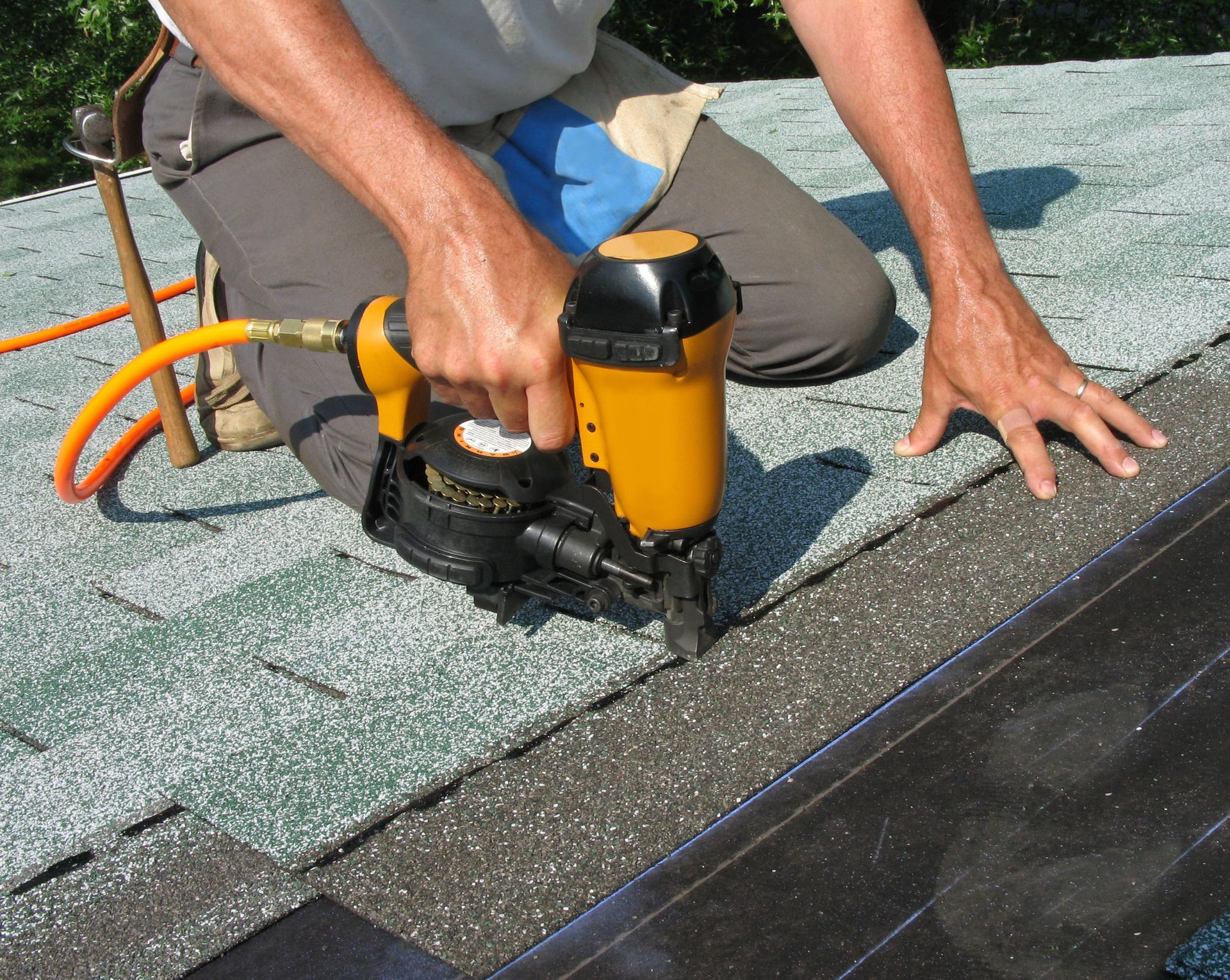
After necessary repairs are completed, the installation of new roofing materials can begin. The process generally includes underlayment installation, flashing replacement, ventilation improvements when needed, and final roofing material application. Understanding these steps helps property owners know what to expect throughout the duration of the project.
Planning for Project Timing and Property Access
Timing plays a significant role in the success of any roofing project. Weather conditions, contractor availability, and property accessibility can all influence scheduling. Many property owners are surprised to learn that planning a replacement several months in advance often provides greater flexibility and a smoother overall experience.
During installation, contractors typically need access to driveways, walkways, and areas surrounding the structure. Vehicles, outdoor furniture, landscaping items, and other obstacles may need to be temporarily relocated to create a safe work environment.
Although every project differs, many residential installations can be completed within a few days, depending on the size and complexity of the roof. Having realistic expectations regarding timelines helps minimize stress and allows property owners to prepare appropriately.
Knowing the Scope of the Investment
A new roof is a major investment, and understanding what influences project costs can help property owners budget effectively. Several factors affect pricing, including roof size, pitch, material selection, accessibility, and the condition of underlying structural components.
Property owners should remember that the lowest estimate does not always represent the best value. Quality workmanship, proper installation practices, and durable materials can significantly influence long-term performance. Choosing a contractor based solely on price may lead to issues that require additional expenses later.
The roofing industry remains highly active throughout the country. According to RubyHome, approximately 5 million roofs are installed annually, illustrating just how common roofing projects have become across residential and commercial properties. This level of activity also highlights the importance of selecting experienced professionals who can deliver reliable results.
When reviewing proposals, property owners should evaluate the full scope of work, warranty coverage, cleanup procedures, and material specifications. A detailed estimate provides greater transparency and helps ensure all parties share the same expectations before work begins.
Choosing Materials and Protecting Long-Term Performance
Selecting the Right Roofing Material
One of the most important decisions during a roof replacement involves selecting the appropriate roofing material. The right choice depends on several factors, including budget, architectural style, maintenance preferences, and local weather conditions.
Asphalt shingles remain among the most widely used roofing materials because they offer a balance of affordability, durability, and design flexibility. They are available in numerous colors and styles, allowing property owners to complement the appearance of their homes while maintaining practical performance.
Other roofing materials may offer different advantages depending on the property's specific needs. Evaluating each option carefully helps ensure that the selected material aligns with both immediate goals and long-term expectations. Property owners should discuss available choices with roofing professionals who understand local environmental demands and building requirements.
Understanding Ventilation and Structural Protection
Many property owners focus primarily on visible roofing materials while overlooking the importance of ventilation and underlying structural components. However, a roofing system functions as a complete assembly rather than a collection of separate parts.
Proper ventilation helps regulate attic temperatures and moisture levels throughout the year. Without adequate airflow, heat and humidity can accumulate within the attic, potentially affecting insulation performance and increasing strain on heating and cooling systems. Over time, these conditions may contribute to premature roofing deterioration.
A comprehensive roof replacement provides an opportunity to evaluate these critical components. Contractors can inspect decking, ventilation systems, flashing, and moisture barriers to ensure the entire assembly works together effectively. Addressing these elements during replacement often prevents future issues and contributes to a longer-lasting roofing system.
Replacing a roof is one of the most important investments a property owner can make. Understanding when replacement becomes necessary, preparing for the installation process, and selecting the right materials all contribute to a successful outcome. By taking the time to evaluate warning signs, compare options, and work with qualified professionals, property owners can make informed decisions that support the long-term health of their structures.
A well-planned roof replacement does more than improve appearance. It helps safeguard the building's structural integrity, supports energy efficiency, and provides reliable protection against the elements. With proper planning and ongoing maintenance, a new roofing system can deliver lasting value and peace of mind for many years to come. If you're a property owner looking for reliable professionals to tackle a roof replacement, be sure to contact DriRoofs!